
Loading...

0 items

No products in the cart.

View Cart

Skip to main content
Blog / Article

Let There Be (the Right) Light

A guide to layering ambient, task, and accent lighting and choosing the warmth that brings your rooms to life.

The Three Layers Every Room Needs

Great lighting design rarely comes from a single source. It is built in layers, with each one serving a distinct purpose. Ambient lighting establishes the overall mood, task lighting provides focused light where it is needed, and accent lighting draws attention to architectural details, artwork, or treasured furnishings. Think of it less as choosing a single fixture and more as creating a composition of light, with each layer working together to bring warmth, depth, and dimension to the room.
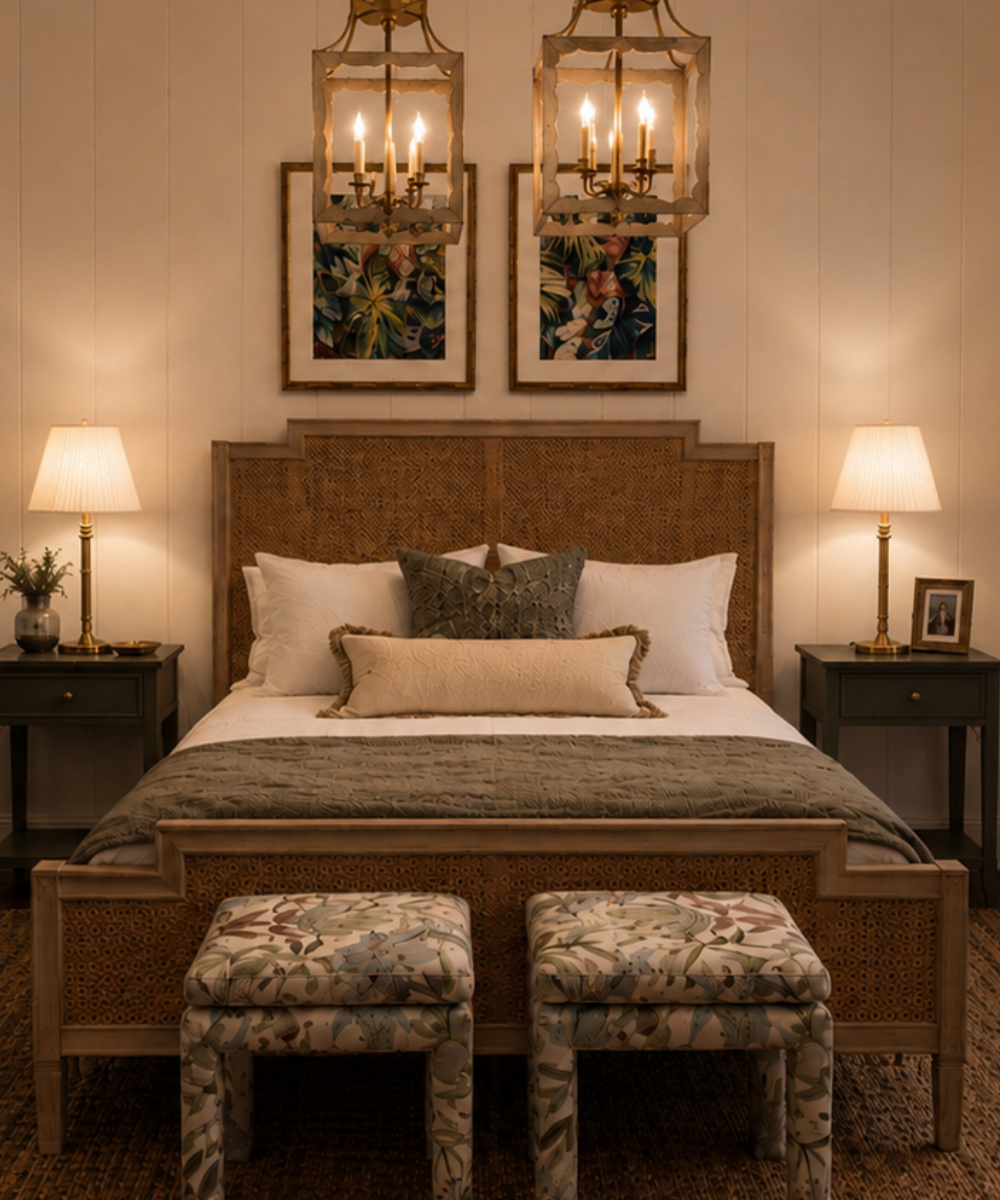
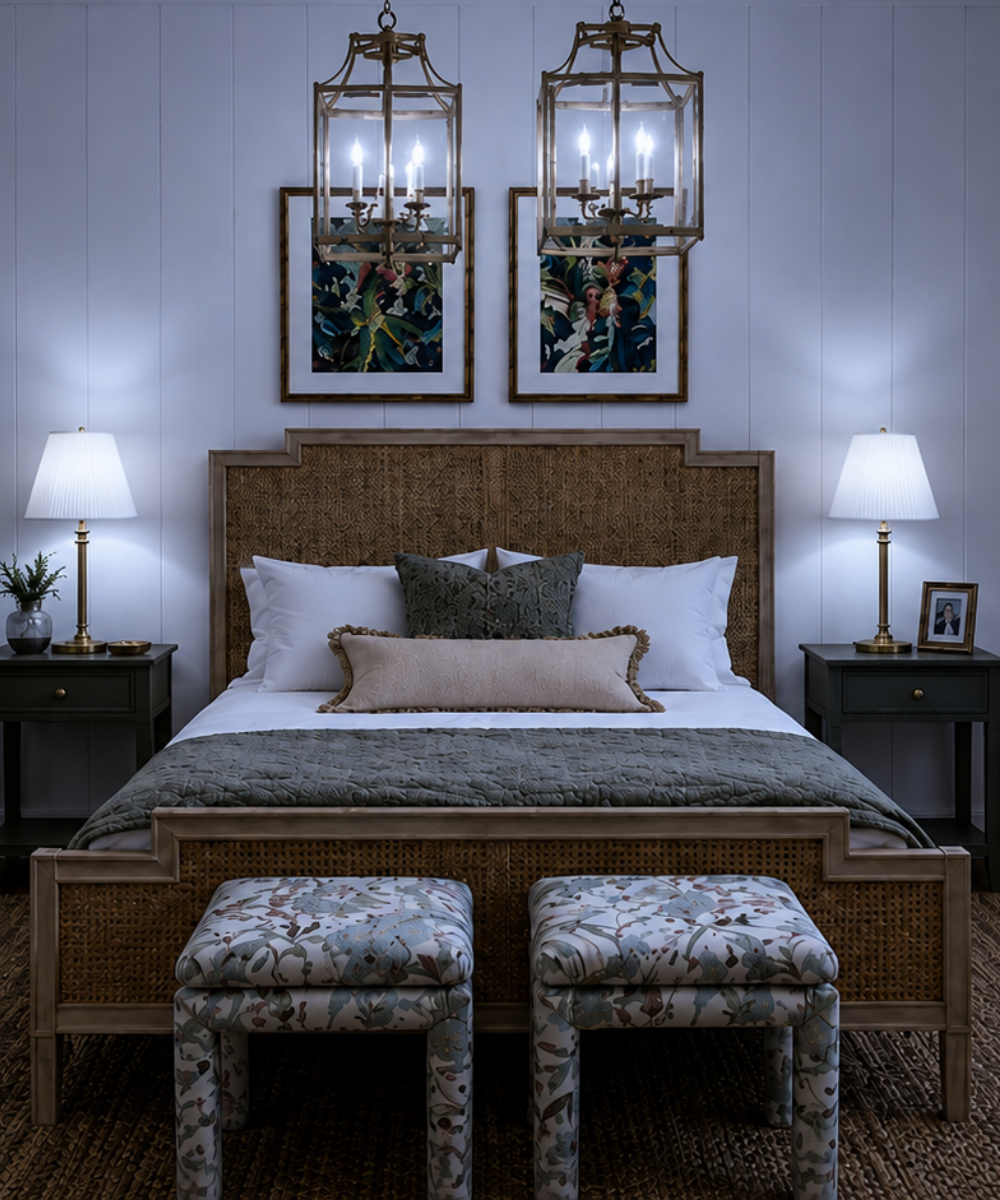
Ambient Lighting

Ambient lighting provides a room’s foundational glow and comfortable atmosphere. It often comes from chandeliers, ceiling fixtures, recessed lighting, or generously scaled pendants.

A well-chosen chandelier becomes a statement piece that sets the tone for the room.

Task Lighting

Task lighting provides focused light for activities such as reading, cooking, working, or getting ready. Table lamps, floor lamps, buffet lamps, and under-cabinet lighting can all serve this purpose.

The right fixture balances function with personality, adding a layer of design even when the light is off.

Accent Lighting

Accent lighting highlights artwork, architectural features, and treasured objects. Picture lights, sconces, cabinet lighting, and directional spots create intentional focal points.

Wall sconces add soft light while bringing an elegant architectural element to the room.

A room with only ambient light can feel flat, no matter how beautiful the furniture. A room with only accent light can feel unfinished, all drama and no comfort. It’s the interplay of all three layers, working together and controlled independently, that makes a space feel considered.

Warm versus Cool: Why the Color of Light Matters as Much as the Fixture

Once you’ve layered your lighting, the next decision is the color of the light itself, measured on the Kelvin scale. This subtle choice can influence how everything else in the room looks, from wall color to wood finishes.

Lower Kelvin numbers, typically 2700K to 3000K, create warm, amber-toned light reminiscent of candlelight or an old-fashioned incandescent bulb. It feels inviting and works beautifully with wood furniture, warm paint colors, and leather, making it ideal for living rooms, bedrooms, and dining spaces.

Higher Kelvin numbers, typically 4000K and above, create cooler, crisper light with a whiter or bluish cast. This brighter quality suits kitchens, home offices, and bathrooms, where clarity and focus are essential.

How Light Color Changes Your Room

Lighting can dramatically influence how color and materials appear in a room. Warm light enhances rich wood tones, warm neutrals, and earthy hues, while cooler light brings out blues, greens, and crisp whites. Choosing the right color temperature helps preserve the character of your furniture, finishes, and paint.

It is also worth considering the Color Rendering Index, or CRI, which measures how accurately a bulb reveals color. A high CRI, generally 90 or above, helps furniture, fabrics, and finishes appear closer to their true colors

Rich wood tones, leather, and warm neutrals generally shine under warmer light (2700K–3000K), which enhances their natural richness.

Cool grays, blues, and crisp whites generally retain their clarity under a slightly higher color temperature (3500K–4000K).

Mixed or transitional palettes often look most cohesive under a soft neutral white (3000K–3500K), balancing warm and cool tones beautifully.

Frequently Asked Questions


Every well-designed room uses three layers. Ambient lighting provides the overall glow through chandeliers, recessed lights, or pendants. Task lighting offers focused light for reading, cooking, or working, typically from table and floor lamps. Accent lighting highlights artwork and architectural details through sconces or picture lights. Using all three together, rather than relying on a single overhead fixture, is what makes a room feel finished.


Warm light in the 2700K to 3000K range is best for living rooms. It mimics candlelight, flatters wood furniture and leather, and creates the inviting atmosphere most people want in a space meant for relaxing and entertaining.


4000K and above. Cooler, crisper light supports the clarity and focus needed for tasks like cooking, chopping, or close work, while bringing out blues, greens, and crisp whites with greater definition.


Yes, within a single room. Mixing a warm lamp with a cool overhead fixture is one of the fastest ways to make a space feel disjointed. For rooms with a mix of warm and cool finishes, a soft neutral white (3000K to 3500K) usually bridges the two most cohesively.


CRI, or Color Rendering Index, measures how accurately a light source reveals true color. A CRI of 90 or above is recommended for rooms with furniture, fabric, or artwork, since a low-CRI bulb can make even well-chosen finishes look dull or slightly off.


Most rooms benefit from having all three layers represented, though the exact fixture count depends on the room’s size and function. A dining room, for example, might combine a chandelier (ambient) with wall sconces (accent) and a picture light (accent), while a living room might use recessed lighting (ambient), table lamps (task), and an accent light for artwork.


Yes. Color temperature shifts how materials read. Warm light deepens wood tones and warm neutrals, while cooler light sharpens blues, greens, and crisp whites. The same sofa or paint color can look noticeably different depending on the bulb above it.


Start by identifying which layers are missing. A room with only a ceiling fixture may need task and accent lighting, while a room lit only by lamps may lack the ambient glow that ties everything together. A Furnitureland South Design Consultant can assess your space and recommend a layered plan suited to your furnishings.