Shared Design Principles for Every North Carolina Home
Whether your new North Carolina home overlooks the Atlantic, the Appalachians, or the Charlotte skyline, several design principles hold true across the state.

Relocating to North Carolina is a little like opening a beautifully wrapped gift. The scenery alone, from the long Atlantic beaches to the layered ridgelines of the Blue Ridge and the glass towers rising above Uptown Charlotte, creates endless inspiration for a beautiful home. The most enduring interiors we’ve seen throughout our nearly 60 years of helping families furnish their homes embrace that sense of place, drawing from the natural beauty and character that make North Carolina so unique. They take their cues from the landscape outside the window and build inward from there. Just as every region of the state offers its own distinct character, every homeowner brings a different perspective, lifestyle, and vision for how they want to live. Finding an interior designer whose approach aligns with your aesthetic and priorities can make the process feel not only easier, but far more personal and rewarding.
If you’ve recently made the move to North Carolina from out of state, this guide is written for you. We’ll walk through the design sensibilities that feel most at home in three distinct regions of the state including the coast, the mountains, and the urban piedmont, and share the furniture choices, color palettes, and curated touches that will help you settle in beautifully. Because great furniture is the foundation of it all, we’ll also point you toward pieces designed to last and crafted with the care your new home deserves.
No matter where you’re settling in across the state, the interior design consultants at Furnitureland South are here to help you create a home that feels personal, welcoming, and connected to its surroundings. From selecting foundational furniture pieces to layering in finishing details, our team is ready to guide you every step of the way.

North Carolina’s coastline stretches more than 300 miles, from the barrier islands of the Outer Banks south through Emerald Isle and the Crystal Coast to the historic waterfront charm of Wilmington. Each community has its own personality, but the design language that resonates along all of them draws from the same source, the light, the water, and the unhurried pace that comes with proximity to the sea.
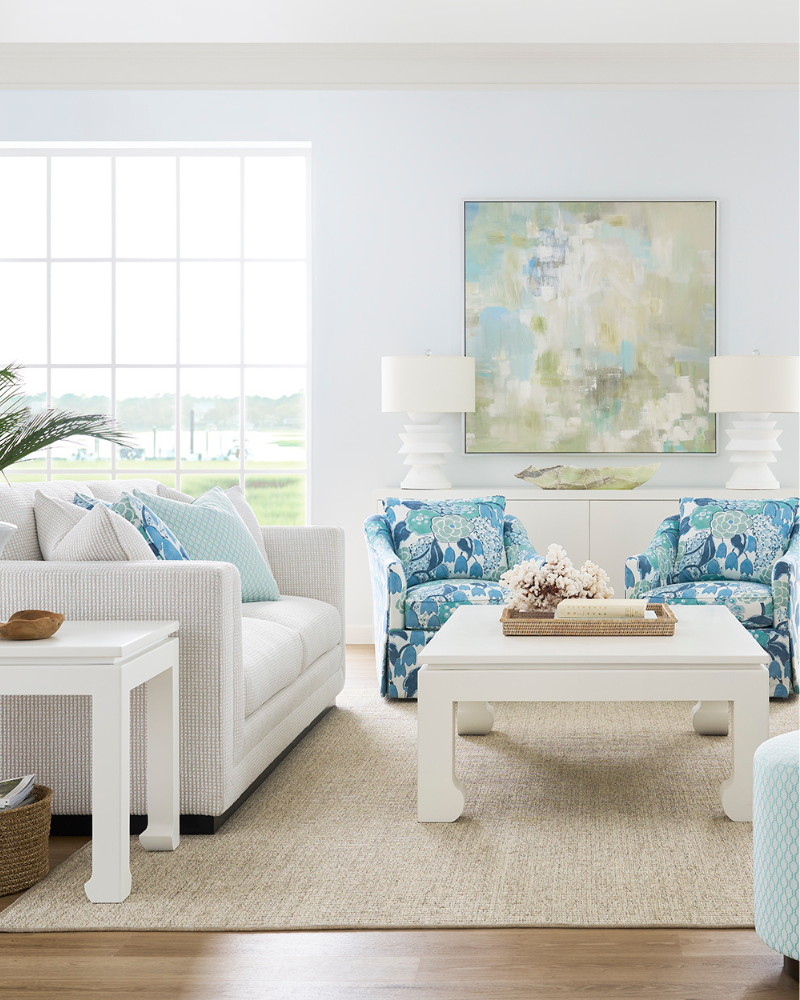
The Outer Banks and Crystal Coast offer a spectacular natural color palette, from the aqua of shallow sound water and the steel blue of the Atlantic to the sun-bleached driftwood and the warm peach glow of a morning sky. Your interiors should feel like a continuation of that palette, not a departure from it. Start with a foundation of soft whites, warm creams, and sandy beiges, then layer in blues ranging from soft cerulean to saturated navy as your primary accent family.
Shades of aqua, blue, and turquoise are naturals in a coastal home, adding nautical character throughout. Consider anchoring your living room with a linen sofa in a warm white or ivory tone, then building depth with throw pillows in layered blues and greens. A weathered wood coffee table and woven seagrass rug complete the foundation and connect the space to the landscape just outside.
Coastal living is beautiful, and it is well suited to furniture that is made to last. Salt air, sand, and humidity are part of life along the NC coast, and the materials you choose should be ready for all of it. Rattan, wicker, and solid hardwoods with quality protective finishes are true staples in coastal interiors. They bring warmth and texture while performing beautifully in the environment. For upholstered pieces, look for performance fabrics that resist moisture and handle the occasional damp towel draped over the armrest with ease and confidence.
When furnishing a beach home, measure carefully before you buy. One of the most common missteps new coastal homeowners make is selecting furniture that crowds the space or blocks the natural flow to the porch or deck. In a home designed to connect indoors and out, furniture should encourage movement and create an easy, welcoming sense of flow between spaces.
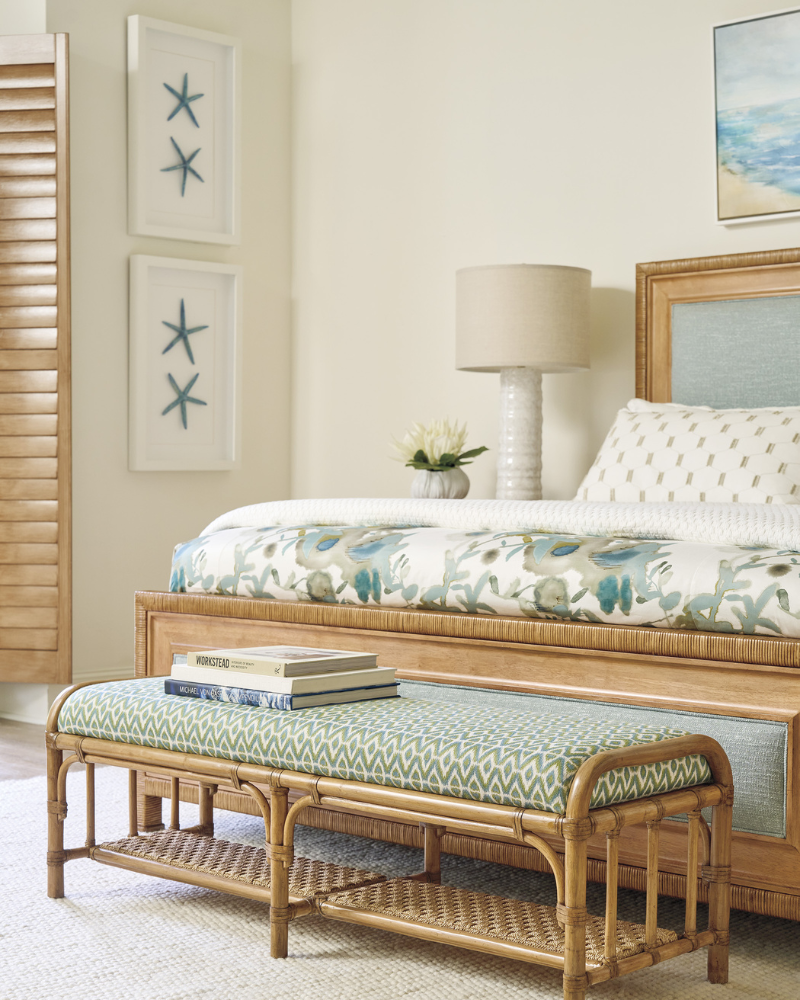
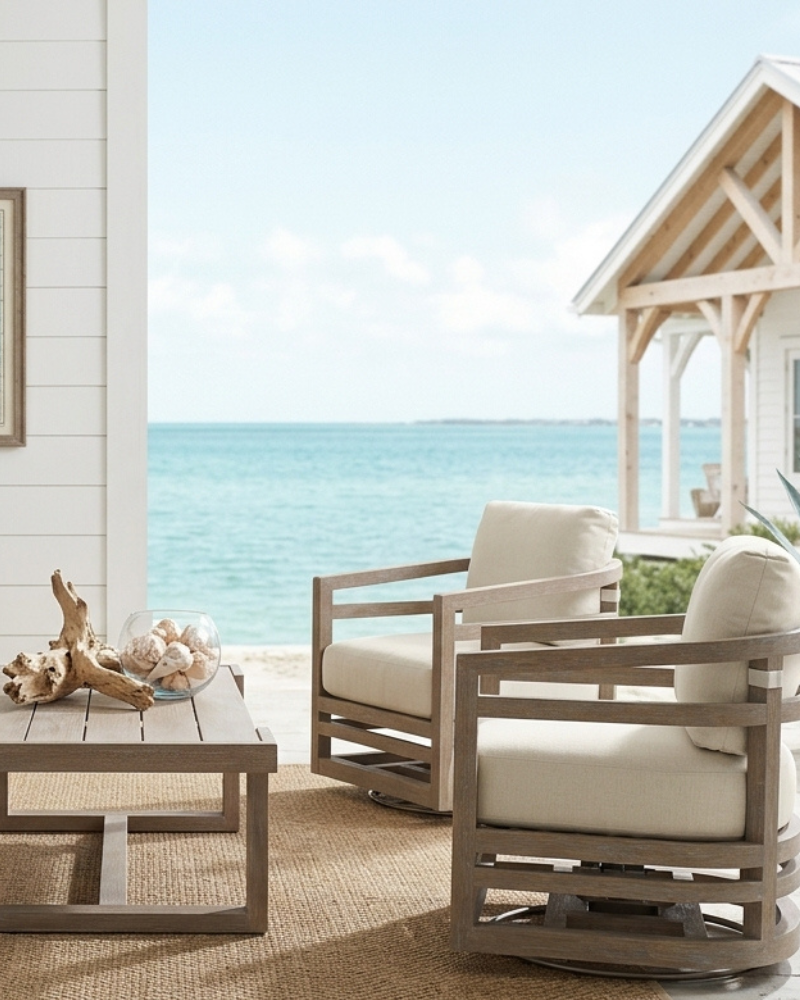
If your coastal North Carolina home has a deck or porch, which most do, treat it as a true room. A well-appointed deck with comfortable seating, a side table, and weather tolerant pillows in your interior palette often becomes the most lived in space in the home from March through November.
The best coastal interiors feel effortless, as if the house has always been there collecting sea glass and afternoon light. That ease is never accidental. It comes from thoughtful choices made once and made beautifully.
For more inspiration on creating durable, stylish outdoor spaces, read our blog on luxury outdoor furniture and materials that are made to last.
Botanical prints, driftwood sculpture, nautical artwork, and accessories that reference the local environment, lighthouses, herons, and sea turtles add charm without veering into cliché, provided they are edited with a confident hand. Choose one or two strong pieces that genuinely move you rather than covering every surface with collected seaside objects. Quality over quantity applies to accessories as much as furniture.
Coastal North Carolina communities like the Outer Banks, Wrightsville Beach, and Topsail Island attract buyers from across the country, but those who settle here most happily are the ones who allow the place to teach them how to live. Let the natural light guide your palette. Let the salt air inform your material choices. And invest in furniture that is genuinely crafted to last, because on the NC coast, quality is not a luxury, it is a practical necessity.
The western mountains of North Carolina are having a moment that shows no signs of slowing. Asheville’s arts scene, Boone’s college-town energy, and the quiet grandeur of the Blue Ridge Parkway have drawn a wave of relocators from cities like Atlanta, Washington, D.C., and New York, all seeking the beauty of the mountains without losing the cultural richness they expect.
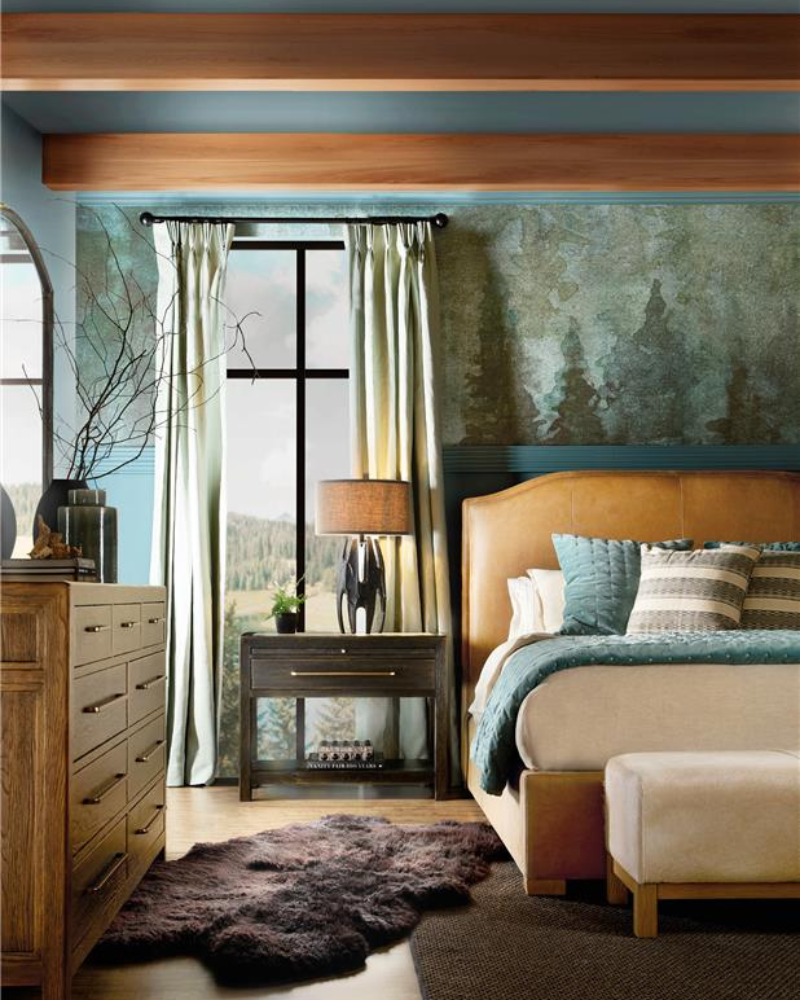
To create a seamless transition between indoors and outdoors in a mountain home, ground your palette in earth tones like rich browns, olive greens, muted gray-blues, and warm ochres. These are the colors of the forest floor, the rock face, and the distant ridgeline, and they create a sense of shelter and warmth that is uniquely suited to mountain living.
If you want to introduce accent color, do so with intention. A burnt orange throw, deep red textiles, or a muted teal pillow can all feel right at home alongside a mountain palette. Use white sparingly and purposefully, as a contrast element rather than a base, to keep the space from feeling cold against the green-gray of an Appalachian winter.
The defining characteristic of a great mountain interior in Western North Carolina is the way it honors natural materials without leaning into the rustic stereotype. This is not the taxidermied, plaid-heavy cabin of the past. It is something more considered, featuring reclaimed wood beams above a smooth plaster ceiling, a stone fireplace flanked by custom built-ins, and furniture in solid hardwood with clean lines and heirloom-quality joinery.
When decorating a Carolina mountain home, include furniture and accessories that have a natural feel. Incorporate contrasting textures, pairing a generously cushioned sofa in a nubbly, earthy fabric alongside a side table in live-edge walnut, or a chunky hand-thrown ceramic lamp beside a refined linen shade. It is that interplay of the polished and the organic that makes mountain interiors feel genuinely alive.
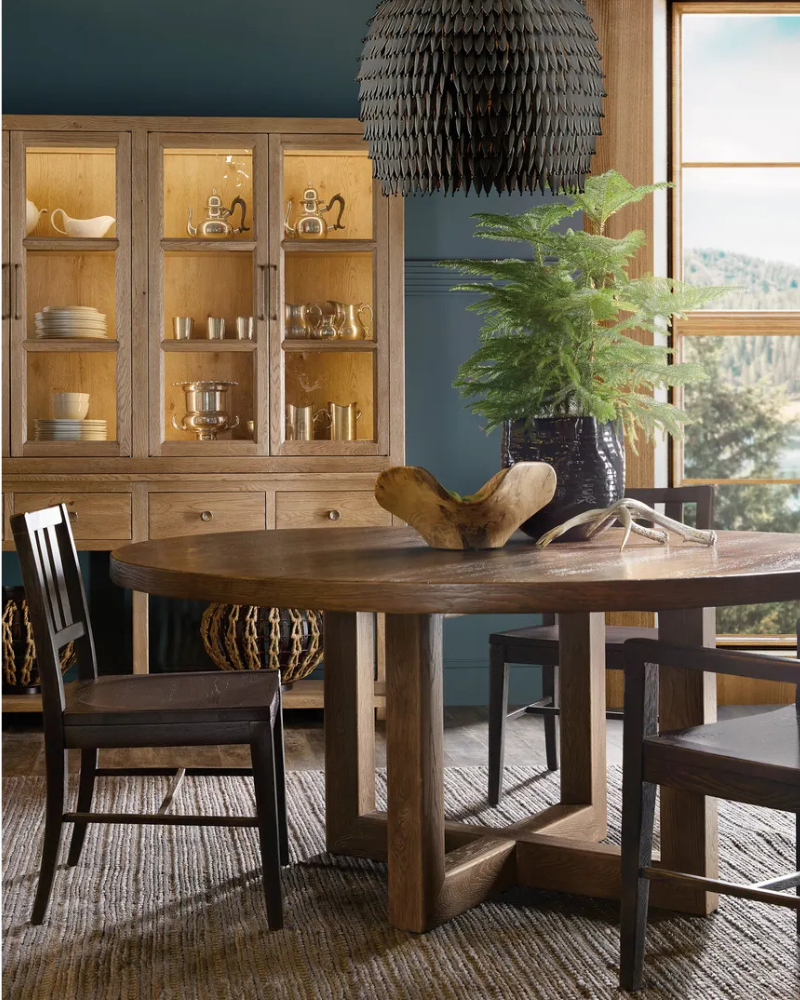
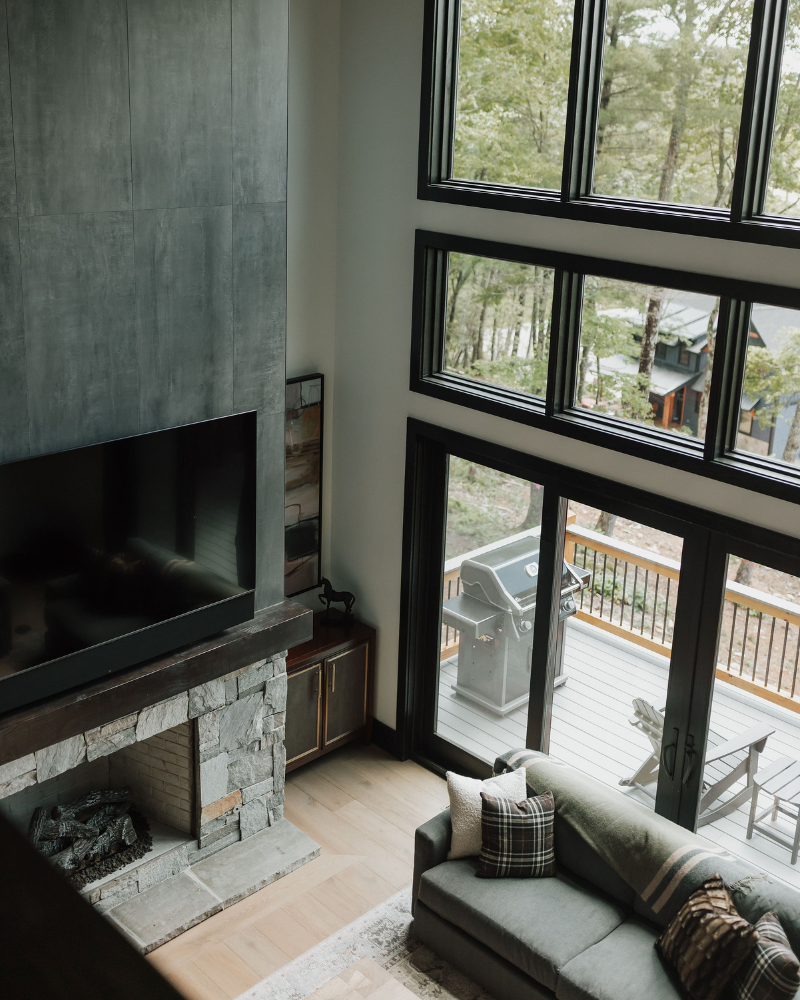
Mountain homes in Western North Carolina are surrounded by scenery that most people only experience on vacation. Large windows that maximize those views are not a luxury because they serve as the central design feature of the home. Choose window treatments in natural fibers and quiet colors that recede rather than compete, such as natural linen panels, woven shades, or raw wood hardware. The Blue Ridge deserves to be the focal point, not your curtains.
Arrange seating to take advantage of those views. A reading chair angled toward a window with a mountain view is worth more than any piece of art you could hang on that wall.
The furniture that endures in a mountain home is the furniture that looks better with age, including solid wood that deepens, leather that develops character, and stone that weathers gracefully. Choose enduring, timeless pieces that are built to last for generations.
Image courtesy of Grace Williams.
Western North Carolina has one of the richest craft traditions in the American South, shaped by the Southern Highland Craft Guild, the River Arts District in Asheville, and dozens of regional studios producing exceptional work in ceramics, woodturning, weaving, and metalwork. We love helping you incorporate these handcrafted elements into your mountain home, including wooden sculptures, woven baskets, hand-thrown pottery, and locally made ironwork hardware, to create a space that is genuinely, irreplaceably of this place.
At Furnitureland South, we are proud to bring the best of the region directly to you. Our showroom features an unmatched selection of furniture made right here in North Carolina, including pieces from master manufacturers in and around the High Point and Hickory corridors who have been crafting solid wood furniture using American materials for generations. When you furnish your WNC mountain home with us, you are making a choice that honors local craftsmanship from floor to ceiling.
North Carolina’s urban corridor, stretching from Charlotte through the Triad to the Research Triangle, is one of the fastest-growing regions in the United States. The homes in these metro areas reflect that energy by beautifully blending Southern warmth with contemporary confidence. Whether you are layering sleek, modern seating into a historic Victorian bungalow in Charlotte’s Dilworth neighborhood or styling a new build in Cary with clean-lined silhouettes and handcrafted furniture, the aesthetic is all about integration, honoring heritage while confidently embracing the present.
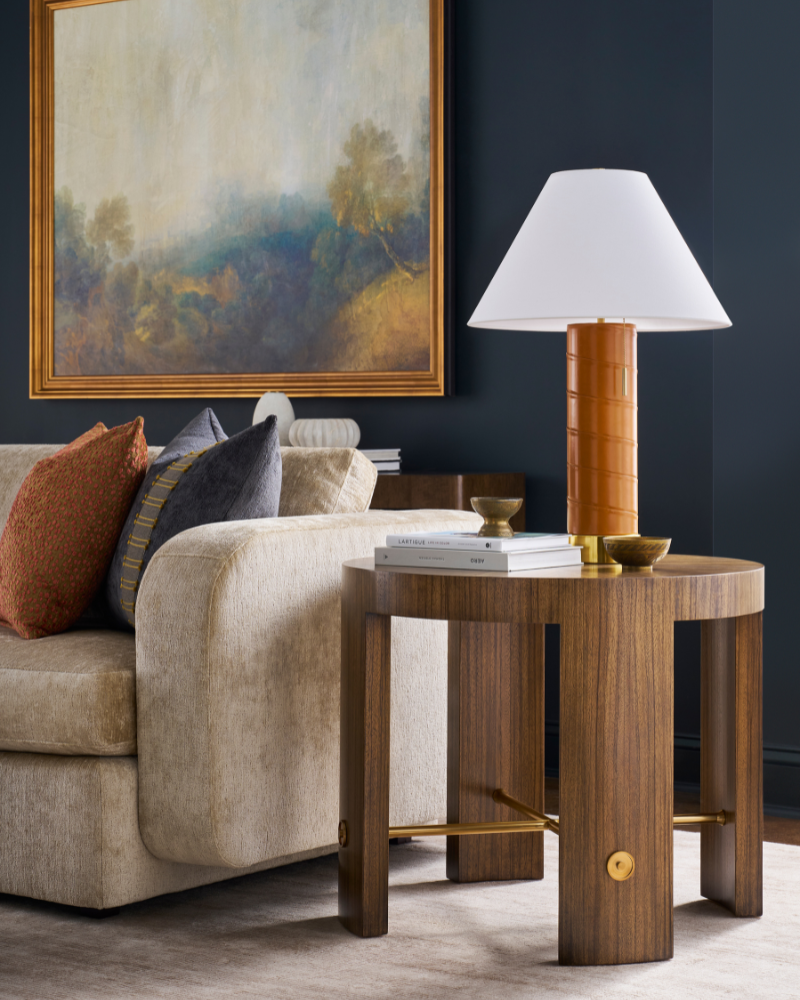
Charlotte, the Queen City, is a study in contrasts, blending gleaming bank towers and historic Fourth Ward bungalows with a mix of new-money energy and deep Carolinas roots. Its interior design aesthetic beautifully reflects that duality, leaning toward a blend of classic Southern elegance and clean, contemporary lines that feel warm and layered rather than cold. Charlotte interiors are embracing natural materials like wood, stone, and linen alongside a confident use of color that moves well beyond the greige palettes of the past. Bold, saturated hues like deep hunter greens, dusty terracottas, and navy blues are appearing on accent walls, cabinetry, and upholstered pieces, grounding spaces with a richness that feels both current and enduring.
For Charlotte homeowners, the core of interior styling is thoughtful layering. This means establishing neutral, quality foundations with upholstered pieces, such as a generously scaled sofa in a warm oatmeal or charcoal, paired with a coffee table in a solid hardwood. From there, personality is introduced through rugs, pillows, artwork, and carefully chosen accent furniture to create rooms that photograph beautifully and live even better. Current design trends in the city favor organic, curved furniture silhouettes that soften rigid floor plans, alongside bold wall colors that create intimacy and drama, particularly in dining rooms and primary bedrooms. Ultimately, the focus centers on heirloom-quality furniture as investment pieces, prioritizing solid wood dining tables, upholstered beds, and sofas built to last for generations.
The Raleigh-Durham metro and broader Research Triangle is home to some of the most educated, culturally curious households in the country. Universities like Duke, UNC, and NC State, along with surrounding research institutions, attract people who have lived internationally and appreciate both Scandinavian furniture design and Southern vernacular architecture. These homeowners want their living spaces to reflect genuine discernment.
Triangle interiors tend toward a considered and collected look, featuring rooms that feel assembled over time rather than decorated in a single weekend. Mid-century modern silhouettes sit comfortably alongside craftsman-tradition accent pieces, while a well-chosen vintage item often anchors a room full of beautifully made contemporary furniture. The connective tissue across these styles is always quality, resulting in rooms where every object truly earns its place.
New movers to the Triangle from larger northeastern cities often discover that the generous square footage of their new North Carolina home gives them a unique opportunity. With the wonderful advantage of more spacious properties compared to denser metro areas like Boston or New York, homeowners enjoy the exciting freedom to fully realize their design vision and beautifully furnish every room. This means investing in foundational pieces built for the long haul, such as a dining table that will outlast several sets of chairs, a bedroom suite with exceptional lines and craftsmanship, and a high-quality sofa that will remain the anchor of the living room for twenty years.
Image courtesy of Grace Williams.
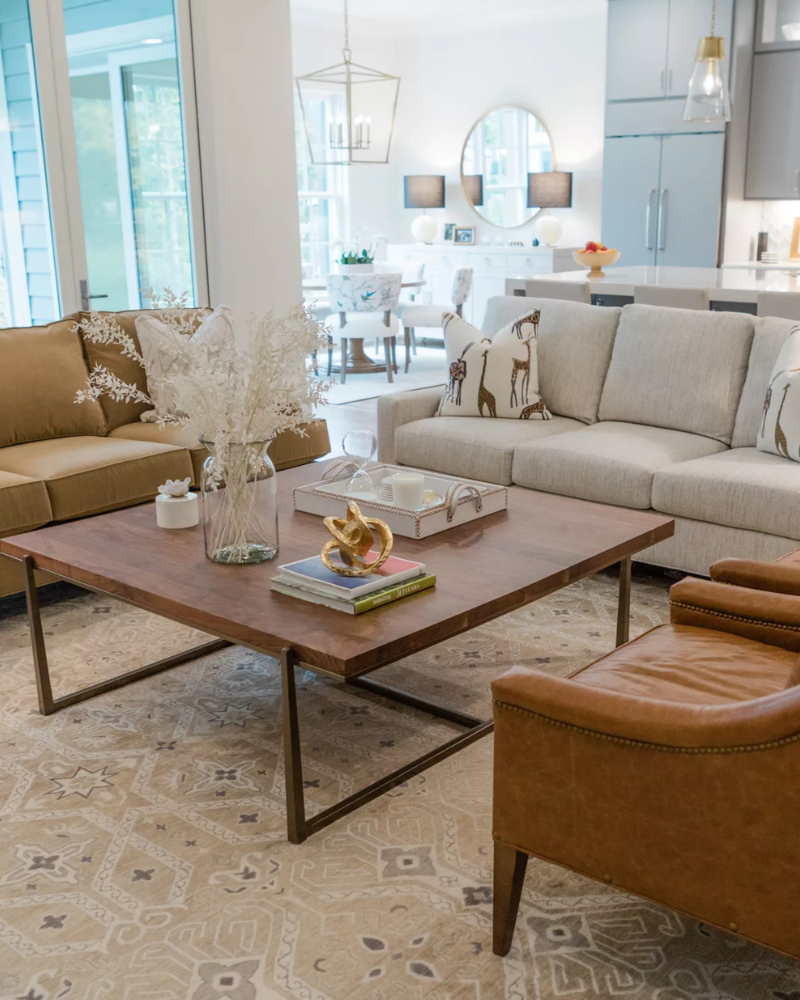
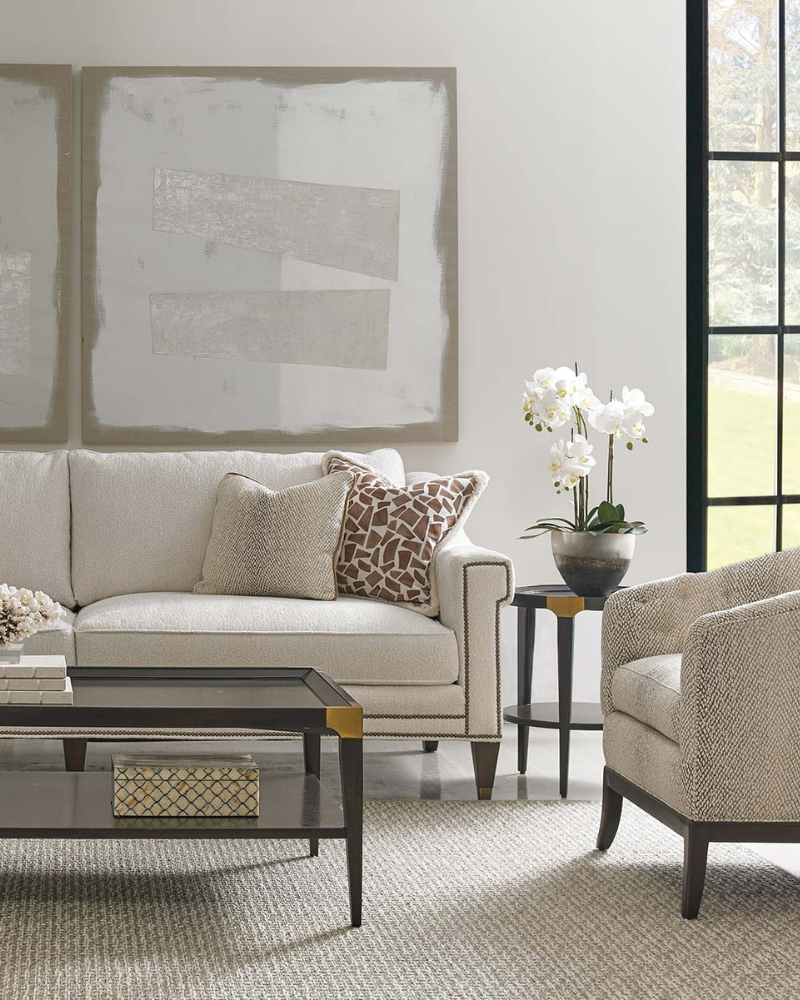
If you’ve relocated to the Triad cities of Greensboro, Winston-Salem, and High Point, you’ve landed in the heart of American furniture-making country. Moving to North Carolina means moving to the very home of the domestic furniture industry, and High Point, our home since 1969, is where that rich trade was originally built. As the Furniture Capital of the World, it stands as the site of the largest furnishings trade show on earth and the manufacturing center of the American furniture industry. This deep heritage lives in every piece we carry, weaving the region’s historic traditions directly into the identity of the Triad. Ultimately, homeowners here enjoy access to an expertise and a proximity to quality that is simply unmatched anywhere in the United States.
Triad interiors tend to be deeply considered, creating homes in which the owners understand quality, appreciate craft, and value the relationship between a well-made piece and the room it anchors. Whether you’re furnishing a new build in Summerfield, a craftsman in Fisher Park, or a colonial in Reynolda Village, the design sensibility here beautifully honors the Southern tradition of gracious living alongside a deep regional pride in exceptional craftsmanship.
Whether your new North Carolina home overlooks the Atlantic, the Appalachians, or the Charlotte skyline, several design principles hold true across the state.
When furnishing a new North Carolina home, always invest in the foundation first. Core pieces like the sofa, bed, and dining table anchor your daily life for decades, making them worthy of the highest quality your budget allows. While decor and accent pieces can be added over time, getting the bones of the room right from the start sets the tone for everything else.
North Carolina is a deeply livable state where people come to slow down, spread out, and enjoy an earned quality of life. Furnish your home to reflect this lifestyle by choosing upholstered pieces made for sinking into at the end of the day. Select a dining table with ample room for gathering family, and invest in outdoor furniture that turns your porch into a truly functional, well-used retreat.
One of the most meaningful choices a new North Carolina homeowner can make is to choose furniture made in America, especially right here in North Carolina. The Piedmont region’s manufacturing tradition represents generations of exceptional craft, domestic materials, and quality standards that are difficult to replicate anywhere else.
Moving is already one of the most complex undertakings a family will face. While furnishing a new home at the same time can feel overwhelming, the right approach makes it effortless. Here is a simple framework that our Interior Design Consultants have used for nearly 60 years to help new homeowners get started with confidence.
Start by measuring every room you intend to furnish, keeping track of ceiling heights, window placement, door swings, and structural features like fireplaces or built-ins. A floor plan, even a simple hand-drawn one, is an invaluable tool when working with an interior designer.
Focus your initial budget on the spaces you will use most immediately, typically the living room, primary bedroom, and dining area. Furnishing these core rooms completely makes a new house feel like home much faster than scattering a few pieces across every room.
Whether you moved to North Carolina for the coast, the mountains, the urban energy, or the lifestyle, let those reasons inform your interiors. Bringing the light, landscape, and character of your new community inside ensures your home feels completely yours.
An interior designer understands proportion, scale, color, and the practical realities of daily life. Our complimentary interior design services help you make choices you will appreciate for years, rather than decisions you might regret in six months.
Nearly 60 years ago, a couple in High Point, NC, had a simple idea to help families find furniture they would love and that would last. Three generations later, that idea has grown into the World’s Largest Furniture Store, 1.3 million square feet of curated, beautifully made furniture, and a team of Design Consultants who genuinely love what they do.
If you’ve recently moved to North Carolina, whether to the coast, the mountains, or one of the state’s thriving cities, we’d love to help you settle into your new community. Visit us at our High Point showroom, explore our collections online, or connect with one of our Interior Design Consultants to begin planning your new space. Your new North Carolina home is waiting to become exactly what you imagined.



 Your Privacy Choices