How to Identify Quality Furniture That Lasts
Learn how to identify quality furniture by evaluating materials, construction, and craftsmanship.

There’s a difference between furniture that looks good in a showroom and furniture that still looks good ten years into daily life. The difference rarely shows up in the price tag. It shows up in what’s underneath, what’s holding it together, and how it was made in the first place.
The good news is that you don’t need to be a craftsperson to tell the difference. A few simple checks in the showroom, along with the right questions, can tell you a lot about a piece of furniture. Or connect with one of our expert Interior Designers who can show you.
What to Look for in Quality Furniture
Quality comes down to thoughtful materials, considered construction, and attention to detail. Materials determine how a piece holds up to years of use. Construction transforms quality materials into furniture built to last, with sturdy frames, reinforced joints, and finishes designed to withstand everyday life. The finer details, from stitching to hardware, reveal the care and craftsmanship behind each piece.
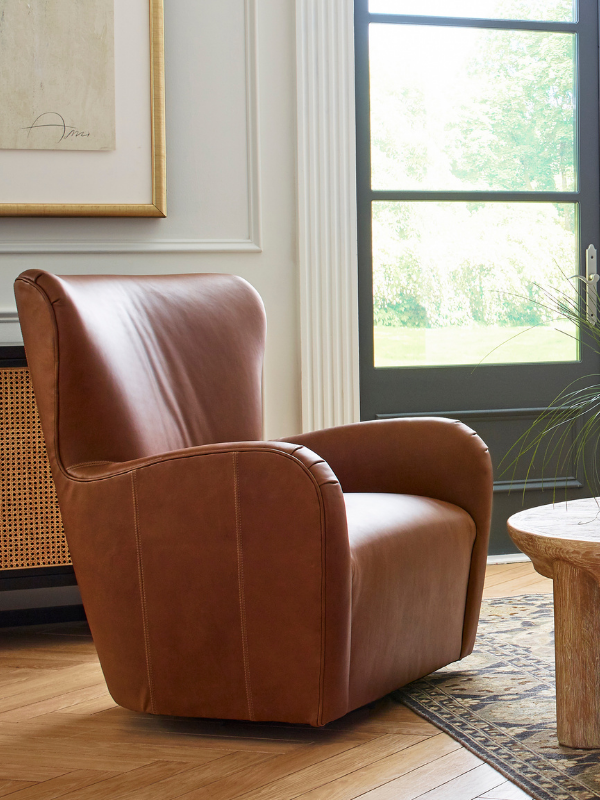
Quality furniture stands up to scrutiny.
Every details tells a story of craftsmanship.
How to Recognize Well-Made Furniture
Whether you’re choosing a sofa, dining table, or dresser, here’s what to look for in a well-made piece.
Frame
Hardwoods like oak, maple, and ash last longer than particleboard or thin plywood.
Joinery
Look for mortise-and-tenon or double-dowel construction where arms meet backs or legs meet rails.
Corner Blocks
They should be securely glued and screwed into place rather than held together with staples alone.
Support & Cushioning
Hand-tied or quality sinuous springs paired with high-density foam provide lasting comfort and support.
Materials
Top grain or full grain leather and tightly woven fabric age far better than bonded leather or loose weaves.
Finishing Touches
Even stitching, matched patterns, weighted hardware, and consistent finishes signal quality craftsmanship.
How to Spot Quality in Dressers, Dining Tables, and Cabinets
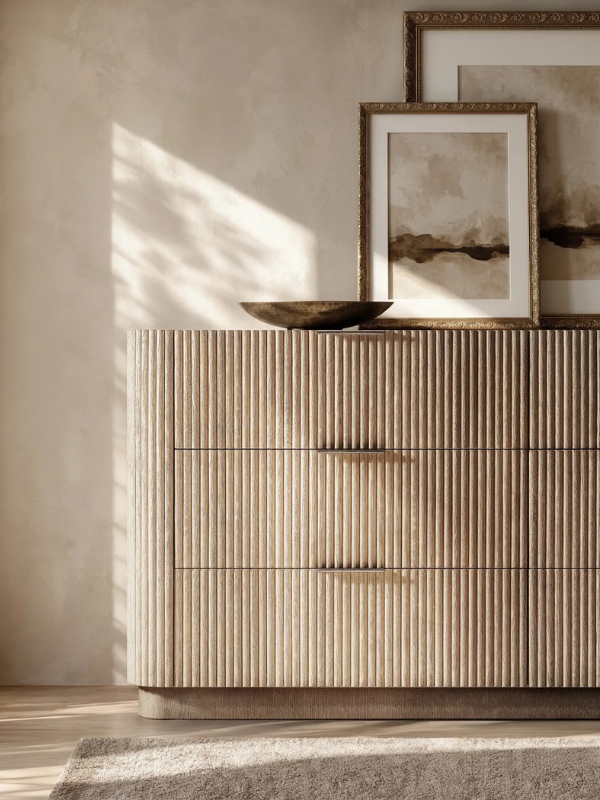
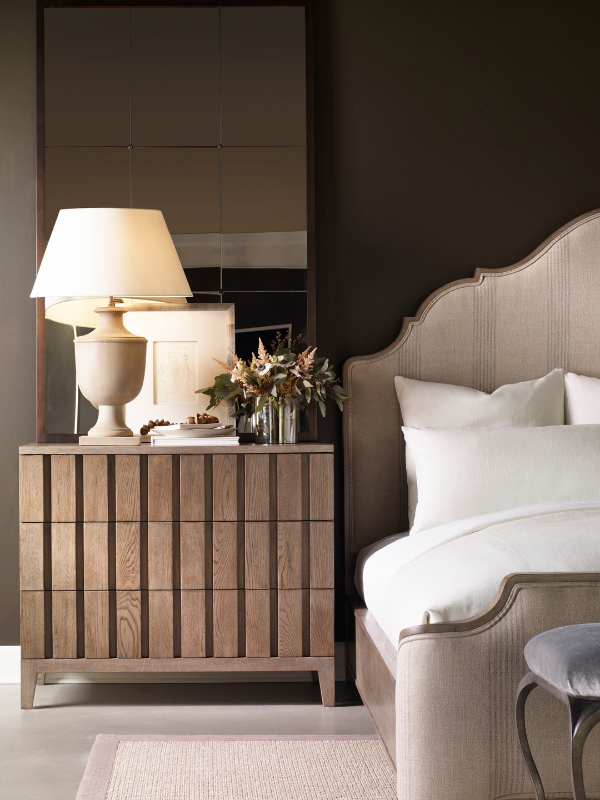
Dressers, dining tables, cabinets, and desks rely on quality materials, sturdy joinery, and durable finishes. Because much of their construction is easy to inspect, these pieces are often straightforward to evaluate in person. Open a drawer or look underneath if you can. Corner blocks should be glued and screwed into place rather than simply stapled, and joints should use mortise-and-tenon or double-dowel construction. These details may be hidden, but they help furniture stay sturdy for decades. Drawers should glide smoothly on quality hardware without sticking, rattling, or tilting. Run your hand across the tabletop to check for a consistent finish that looks uniform in different lighting. Finally, pulls and handles should feel solid and substantial rather than hollow.

How to Spot Quality in Sofas and Upholstered Furniture
Quality upholstery starts with a sturdy frame that feels solid under your weight, without creaking, shifting, or flexing. Hand-tied or well-built sinuous springs paired with high-density foam provide lasting comfort and support. Cushions wrapped in down over a foam core offer a softer feel while helping maintain their shape through years of daily use.
Upholstery materials matter, too. Top-grain and full-grain leathers retain their natural character and soften beautifully with age, while tightly woven fabrics help maintain their color and shape over time. Look for even stitching, aligned patterns, and neatly finished seams, with no puckering or loose threads. These details reflect thoughtful craftsmanship and help furniture maintain its appearance through everyday use.
Ultimately, well-made upholstered furniture balances comfort, durability, and design. Paying attention to the frame, cushioning, materials, and finishing details can help you choose a piece you’ll enjoy for years to come.
How Materials and Craftsmanship Affect Furniture Prices
Two sofas may look similar but have very different prices depending on their materials and construction. Features like kiln-dried hardwood frames, hand-tied springs, high-density foam, and hand-finished details often require more time and skill to produce. Where and how furniture is made can also influence its cost.
A higher price doesn’t automatically mean a piece is right for your home. Understanding the differences in materials, construction, and craftsmanship can help you decide what matters most for your needs and budget. Some furniture is designed to serve you well for several years, while other pieces are built for decades of use. Both can be practical choices depending on your priorities.
When Custom is the Right Fit
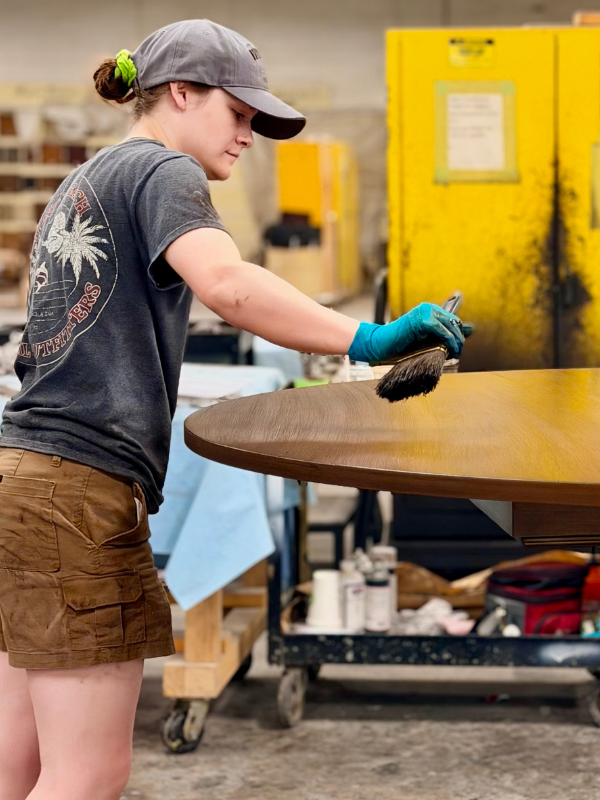
Sometimes the best way to get exactly what you want is to design it yourself. With custom furniture, you choose the size, fabric or leather, finish, and details, so the piece is made to fit your space and the way you live. It’s also a chance to be involved in the very things that make furniture last, from the frame to the finishing touches. To learn more about how the process works, explore our guide to custom furniture.
See the Craftsmanship, Feel the Quality
The next time you’re furniture shopping, take a little time to look past the style and get familiar with what holds it together. Open the drawers, sit in the chair, ask about the frame and the springs. Well-made furniture is designed to look beautiful today and become a lasting part of your home for years to come, complementing everyday moments, evolving with your style, and bringing lasting beauty to the way you live.
If you’d like to see the difference in person, our design team is always glad to walk you through what makes a piece worth bringing home. Visit our showroom or connect with an Interior Design Consultant to get started.
Frequently Asked Questions
The frame. A solid hardwood frame with reinforced joints and glued-and-screwed corner blocks is what keeps a sofa sturdy for decades. Lean into the arm and notice whether it feels solid, or whether it creaks, shifts, or flexes.
Not necessarily. Eight way hand tied springs remain one of the most durable ways to support a cushion, but sinuous springs also perform beautifully when the frame and webbing beneath them are solid. What matters is how the piece is built and how it feels when you sit in it.
Look for top grain or full grain leather, which keeps the natural texture of the hide and softens beautifully with age. Bonded or heavily coated leathers tend to crack and peel much sooner.
Most of the difference comes down to what’s inside and how much time it took to build. Hand tied springs, kiln dried hardwood, higher density foam, and hand finishing all take longer to produce, and so does building in smaller batches with experienced craftspeople.
Not always. The price tag is telling you something, and it’s worth understanding what that something is. A piece built to be handed down is a different investment than one meant to serve you well for the next several years, and both have their place.
Well constructed drawers glide smoothly on good hardware. A tabletop should feel consistent under your hand, with a finish that looks even in both bright and soft light.



 Your Privacy Choices