A Few Common Design Styles Worth Knowing
If you find yourself drawn to elements from several categories, you are in good company. Many of the most memorable homes combine influences in ways that feel personal and authentic.

You’ve been saving images for months. You know you want something to change, even if you can’t quite put your vision into words. Somewhere between “I love this” and “I have no idea where to start,” you found your way here.
That’s where many great design projects begin.
Interior design can feel like a language no one ever taught you. Terms such as scale, flow, and layering often seem obvious once you understand them, but few people take the time to explain the fundamentals. This guide aims to bridge that gap. Consider it an introduction to the concepts, questions, and practical steps that can help you approach your complimentary consultation with a Furnitureland South Interior Design Consultant feeling confident and informed.
The best part is that you don’t need all the answers before you begin. Your Interior Design Consultant will help turn ideas, inspiration, and goals into a home that feels like you.
Before making decisions about furniture, it helps to understand the principles that make a room feel balanced, comfortable, and inviting. Professional designers rely on a handful of foundational concepts every day. Once you understand them, you’ll begin to look at spaces through a new lens.
Scale describes how the size of one object relates to another object and to the room as a whole. A sofa that appears oversized in a showroom may feel perfectly at home in a spacious living room. Likewise, a chair that looks substantial on its own may seem lost beneath soaring ceilings.
Proportion is the relationship between elements within a space. It often explains why some rooms feel naturally balanced while others seem slightly off, even when it is difficult to pinpoint the reason.
This is why room measurements are so valuable during your consultation. Furniture should never be considered in isolation. Every piece interacts with the architecture of the room and the furnishings surrounding it.
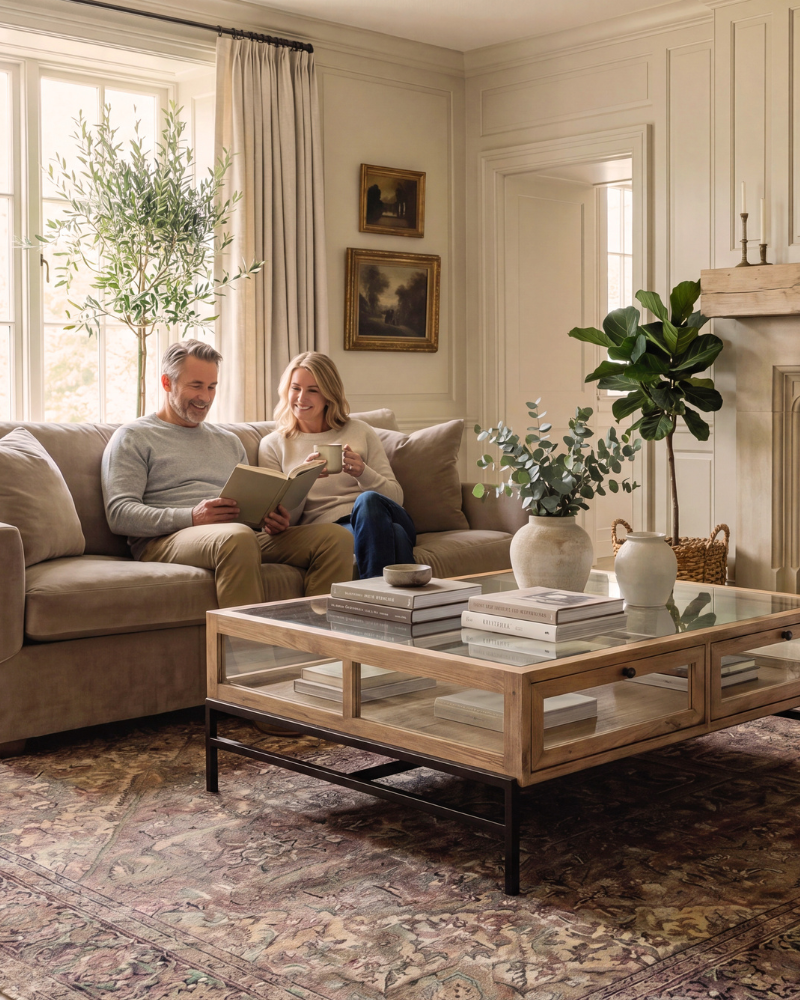
Flow refers to the way people move through a space. When flow is successful, navigation feels effortless. Pathways remain clear, and furniture placement supports movement rather than creating obstacles.
Function focuses on how a room is used. In many homes, a single space serves multiple purposes. A living room may host family gatherings, movie nights, and homework sessions. A dining room may also function as a workspace during the week.
Before your consultation, consider how you truly live in the space you plan to furnish.
Your Interior Design Consultant will ask questions about daily routines, entertaining habits, and lifestyle needs. Those details help shape recommendations that are both personal and practical.
Rooms with depth and character rarely come together because of one standout piece. More often, they succeed through thoughtful layering.
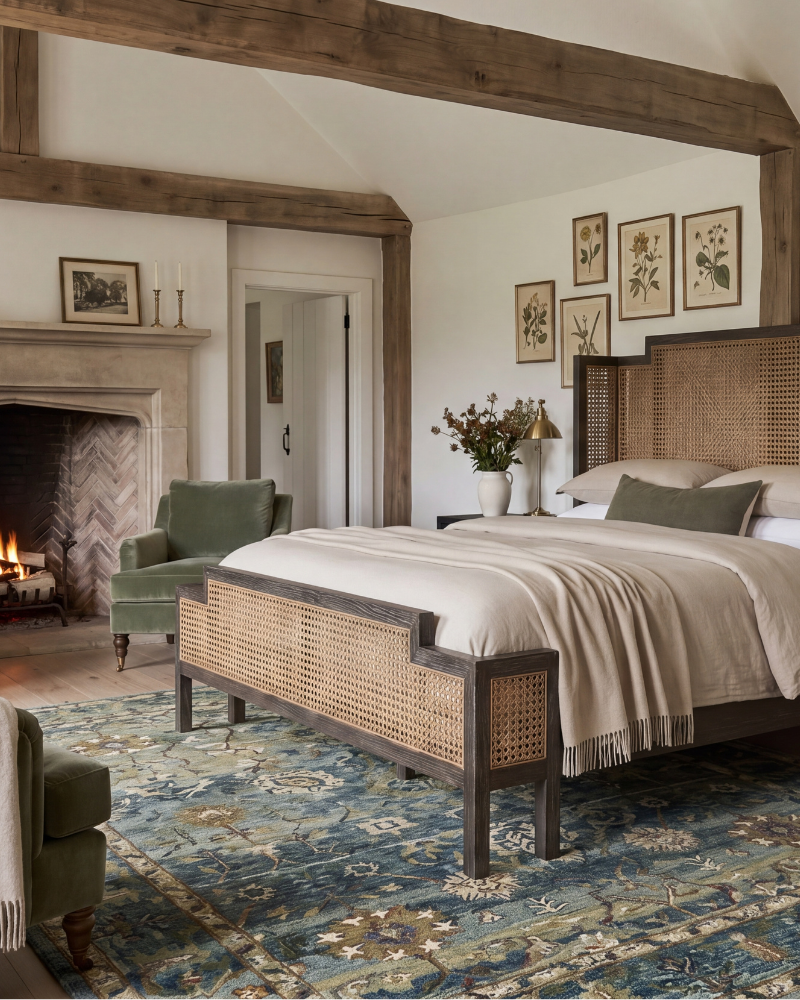
Layering involves mixing materials such as wood, fabric, metal, and glass while incorporating a variety of textures and finishes. Smooth surfaces paired with textured fabrics, or matte finishes balanced with subtle shine, create visual interest and dimension.
A room filled exclusively with soft materials can feel one-dimensional. A room dominated by hard surfaces may feel stark and uninviting. The most compelling spaces strike a balance between contrasting elements, creating warmth, comfort, and personality.
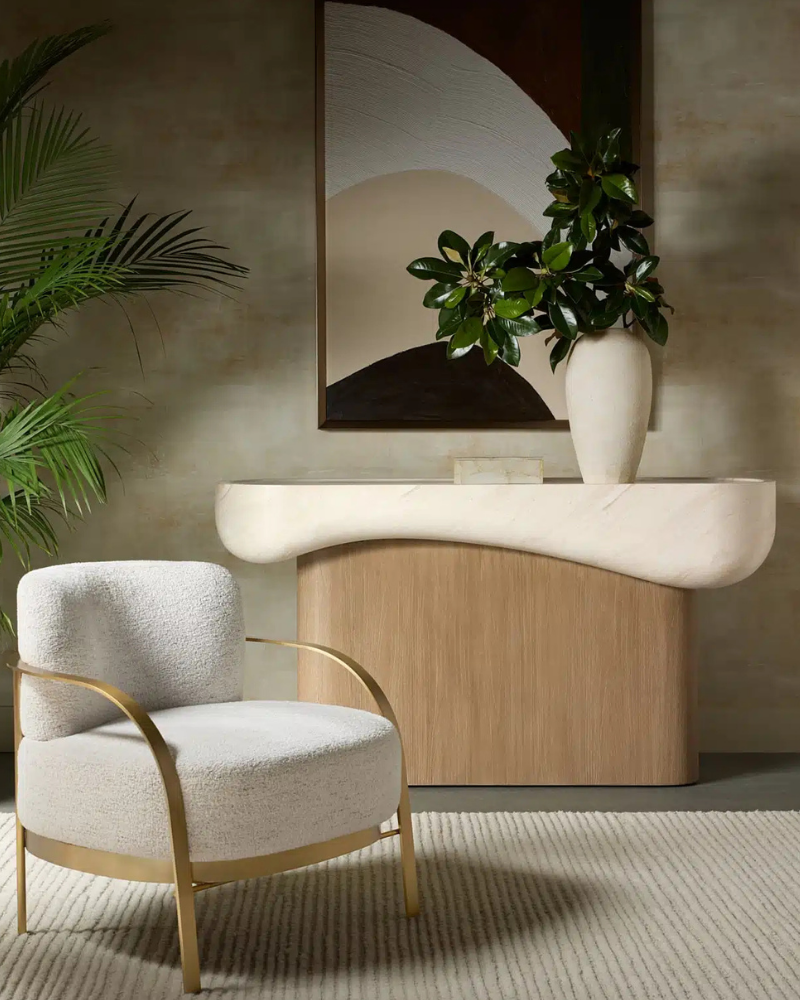
One of the most helpful guidelines in interior design is the 60-30-10 color rule.
Approximately 60 percent of a room is dedicated to a dominant color, often found on walls and larger upholstered pieces. Another 30 percent comes from secondary elements such as rugs, drapery, and accent seating. The remaining 10 percent appears in accessories, artwork, decorative objects, and other finishing touches.
While this guideline is not meant to be followed rigidly, it helps explain why some rooms feel cohesive and others feel visually disconnected.
If you already have a favorite paint color, heirloom piece, area rug, or artwork, your Interior Design Consultant can use it as a starting point and build a palette around it. Often, a room comes together most naturally when it begins with something you already love.
One of the most common comments people make at the beginning of a design consultation is, “I don’t really have a style.” In reality, most people do. They simply haven’t had the opportunity to put a name to it.
Take a look through the inspiration you’ve collected over the years, whether that’s magazine clippings, Pinterest boards, Instagram saves, or photos on your phone. Focus on the spaces that immediately caught your attention, then ask yourself what they have in common.
You may notice a preference for warm wood finishes, abundant natural light, or soft neutral palettes. Perhaps you gravitate toward bold colors, layered patterns, or sculptural furniture. As those common threads begin to emerge, so does your personal style.
The good news is that you do not need to start from scratch. Every image you have saved is already telling part of the story.
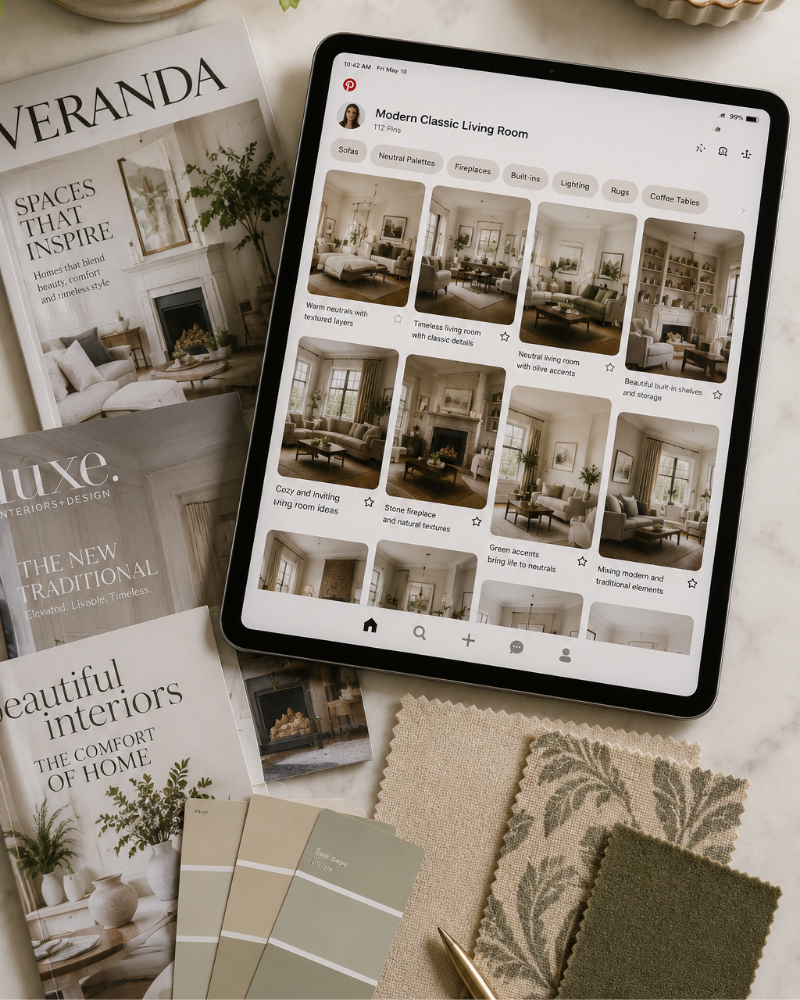
If you find yourself drawn to elements from several categories, you are in good company. Many of the most memorable homes combine influences in ways that feel personal and authentic.
Traditional interiors often feature symmetrical layouts, rich wood finishes, timeless silhouettes, and a sense of refinement. Tufted upholstery, carved details, and layered textiles are frequently part of the aesthetic.
One of today’s most popular design styles, transitional design blends traditional warmth with contemporary simplicity. Clean lines, comfortable furnishings, and versatile materials create an inviting atmosphere.
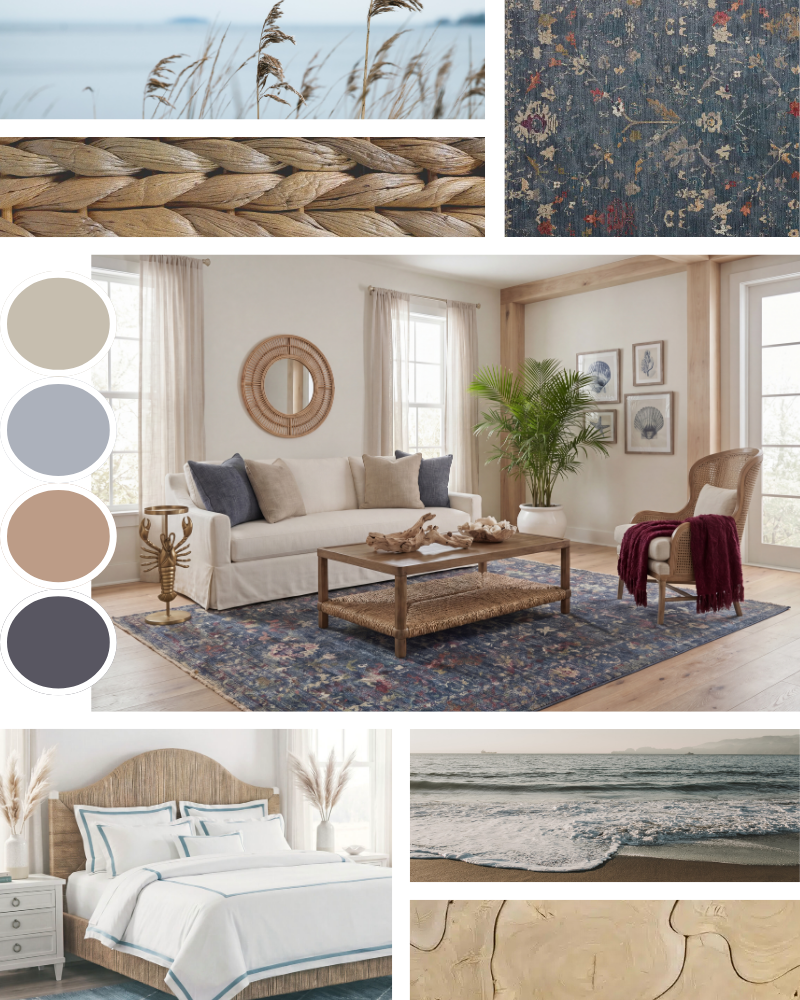
Relaxed and welcoming, this style embraces natural materials, airy spaces, soft color palettes, and a focus on comfort. Light woods, woven textures, and subtle blues are often part of the look.
Mid-century modern design emphasizes clean lines, organic forms, and functional beauty. Rooted in the postwar era, it embraces simplicity, craftsmanship, and the belief that every element should serve a purpose.
Contemporary design reflects current trends and evolving tastes. Spaces often feature streamlined forms, neutral color palettes, and an emphasis on texture, materials, and thoughtful details.
Eclectic design is not about collecting unrelated pieces. Successful eclectic interiors thoughtfully blend influences from different eras and styles while maintaining consistency through color, scale, texture, or mood.

Professional designers often say that knowing what you dislike can be just as valuable as knowing what you love.
Before your consultation, spend a few minutes identifying a handful of elements that simply do not fit your vision. Perhaps you prefer to avoid gray-toned woods, highly formal furnishings, or minimalist spaces that feel too stark.
These preferences provide helpful direction and make the design process more efficient. By establishing a few clear boundaries early on, your Interior Design Consultant can focus on options that align more closely with your taste and lifestyle.
One of the most valuable assets you can bring to a design consultation, aside from an open mind, is information about your space. The more your Interior Design Consultant understands your room, the more tailored and effective their recommendations can be.
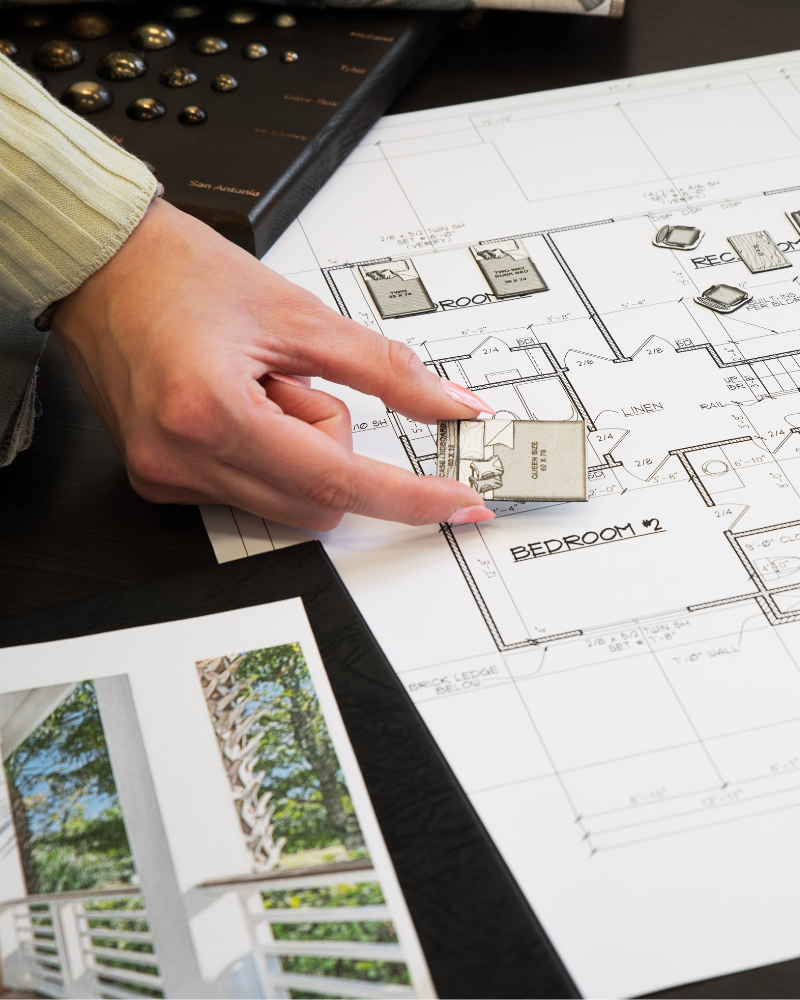
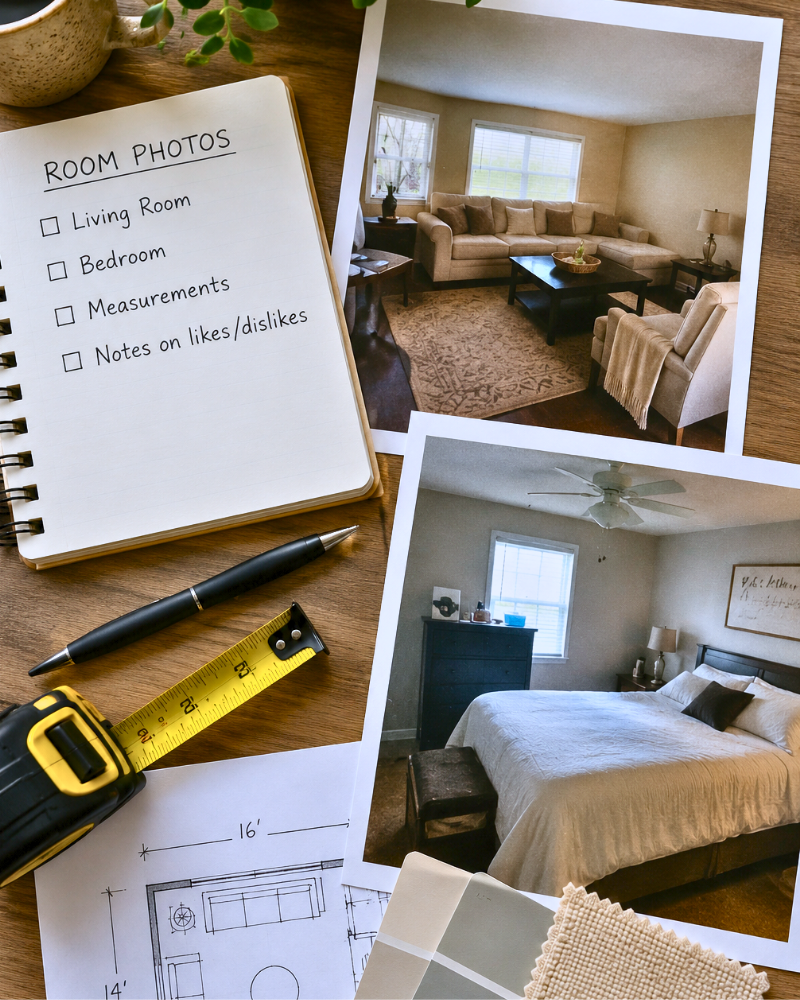
Gather key details about your space, including room dimensions, ceiling height, window and door placement, door swing direction, and any architectural features such as fireplaces, built-ins, or columns. If you have a floor plan, bring it along. A professionally drawn plan is helpful, but a hand-drawn sketch with accurate measurements can be just as valuable.
Photographs provide valuable context that measurements alone cannot capture. Take pictures of your room from multiple angles, including corners and entry points, and include any furniture, rugs, artwork, accessories, or finishes you plan to keep. The more visual information you provide, the easier it becomes to create a cohesive design plan tailored to your space.
Most design projects begin with a key piece worth building around, such as a sofa, area rug, or dining table. Bring photos and measurements of any furnishings you plan to keep, along with paint swatches, flooring samples, fabric, or tile selections. These details help your Interior Design Consultant create recommendations that complement your existing pieces and finishes.
While room dimensions and photos are important, understanding how a space functions day to day is equally valuable.
Consider who uses the room and how often. Do you have children or pets? Do you host gatherings frequently, or do you prefer a quieter environment? Is the space primarily used for relaxing, working, entertaining, or a combination of activities?
The most successful rooms are not only beautiful but also practical. They support the routines, habits, and lifestyle of the people who live in them. Your Interior Design Consultant will explore these topics during your consultation, but giving them some thought beforehand can lead to a more productive and insightful conversation.
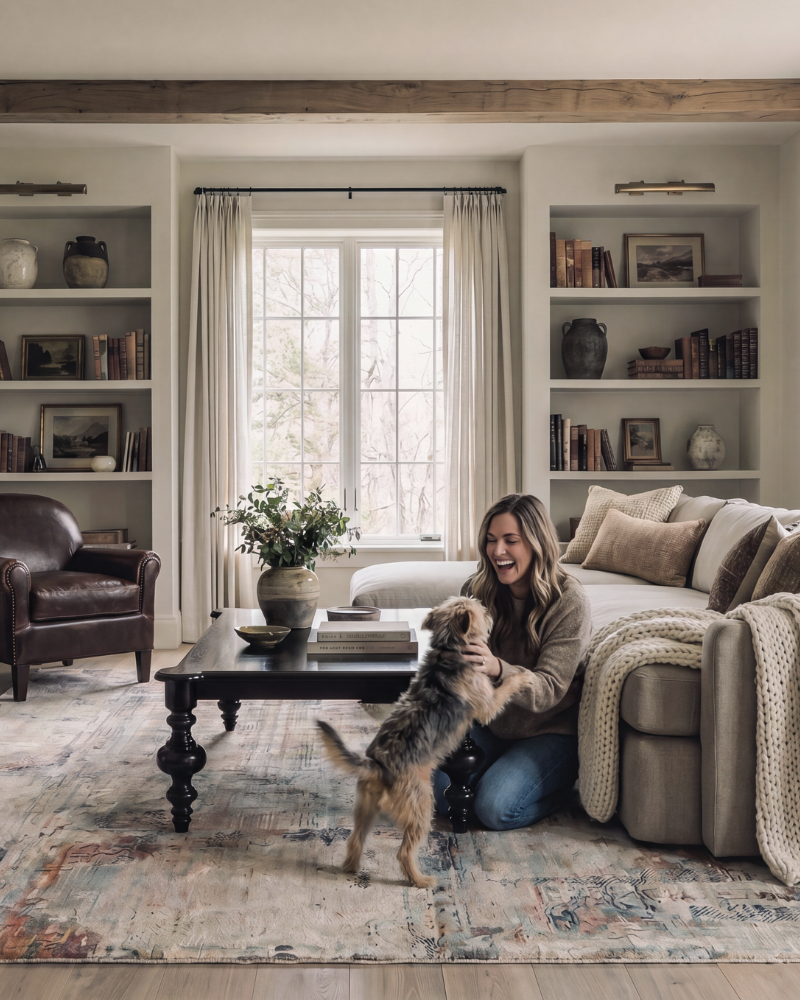
Our Interior Design Consultants offer complimentary design services rooted in expertise, experience, and access to the full range of our 1.3 million square foot showroom. Their role is to translate your ideas, your space, and your lifestyle into a home that feels personal and thoughtfully designed.
Plan your visit and schedule your complimentary appointment with a Design Consultant in advance. If you already have a sense of scope, whether it is a single room, several spaces, or an entire home, share that information ahead of time so your Consultant can prepare accordingly.
Gather your room details, including measurements, photos, and any material samples or swatches. Organize your inspiration in one place, such as a Pinterest board, phone album, or curated folder of images. A focused selection of 10 to 30 images that clearly reflect your preferences is often more helpful than a large, unfocused collection.
Include your personal “no list” as well, outlining elements you want to avoid. This step helps streamline the process and keeps the conversation focused on what aligns with your vision.
Print your Visit Planning Checklist and bring it with you to help guide your time in the showroom and ensure nothing important is overlooked.
Your Interior Design Consultant will use your room information, inspiration, and lifestyle needs to guide you through the showroom. In many cases, this includes a thoughtfully planned tour focused on pieces and styles most relevant to your project.
You will explore furniture across up to 1,000 top brands and manufacturers, compare materials and finishes side by side, and begin to understand how different combinations could work within your space.
From there, you will spend time in the Design Center, a private and collaborative space where layouts are reviewed, fabric and finish samples are explored, and selections begin to take shape. This is where many clients discover the value of customization, since the ideal configuration, fabric, or finish is often not the one displayed on the floor.
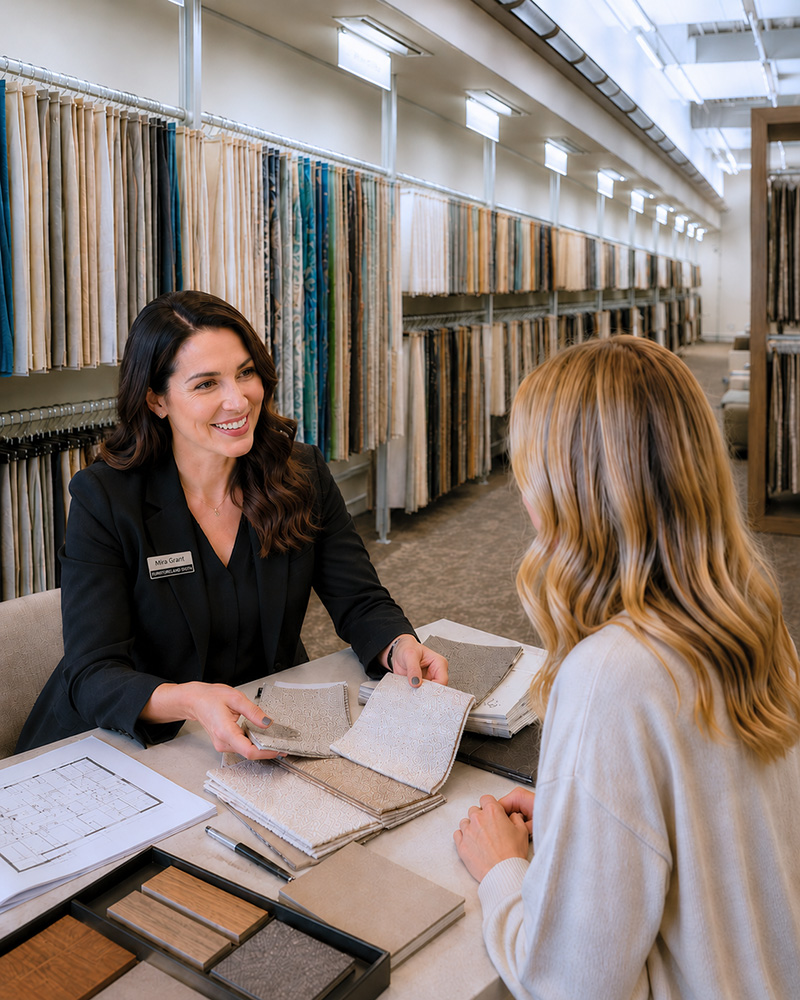

Asking thoughtful questions can help you get the most out of your consultation and uncover solutions you may not have considered.
Your Design Consultant has experience with a wide range of spaces and challenges. The more open the conversation, the more tailored and effective the guidance becomes.
Before wrapping up, take a moment to review specifications and delivery timelines. Save photos of your favorite selections along with potential room configurations so you can revisit them later with clarity.
If your project includes multiple rooms or will unfold in phases, consider scheduling a follow-up appointment. Your Design Consultant can continue to support you as your home evolves, helping you refine selections, adjust layouts, and carry your design vision through each stage of the process.
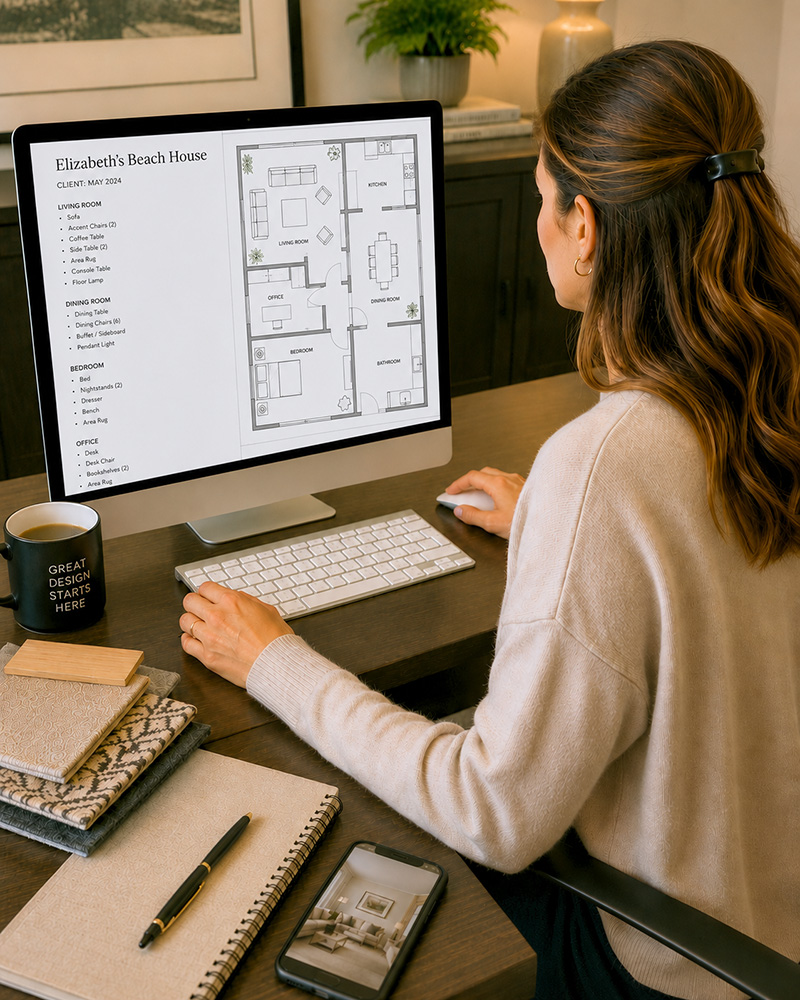
Our Interior Design Consultants offer complimentary design services rooted in expertise, experience, and access to the full range of our 1.3 million square foot showroom. Their role is to translate your ideas, your space, and your lifestyle into a home that feels personal and thoughtfully designed.
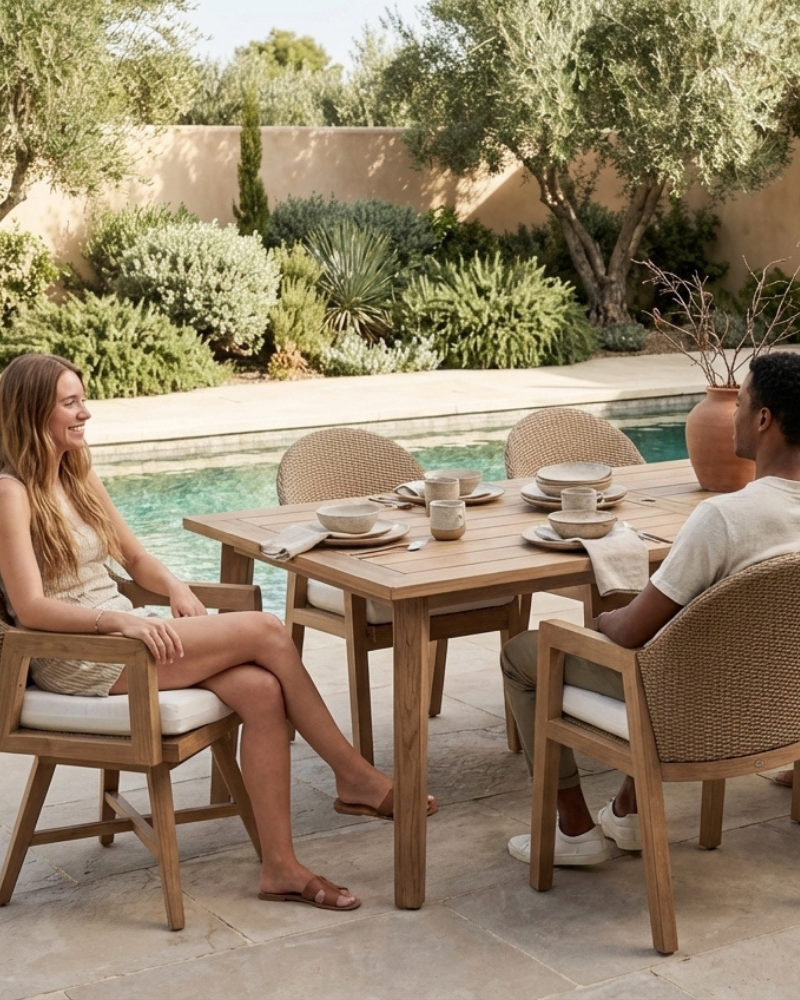
Some rooms come together in a single visit. Others take several conversations to refine. There is no expectation to finalize every decision in one day, and your Design Consultant remains available throughout the process.
What matters most is that each choice moves you closer to a home that feels complete and intentional, not simply a space that is filled.
Being drawn to an image does not mean you want to recreate it exactly. In most cases, what resonates is not the room itself but the feeling it creates, such as warmth, ease, light, or balance between elements.
Your Design Consultant is trained to help you identify those underlying qualities and translate them into your own space, which will always differ from the original image in meaningful ways.
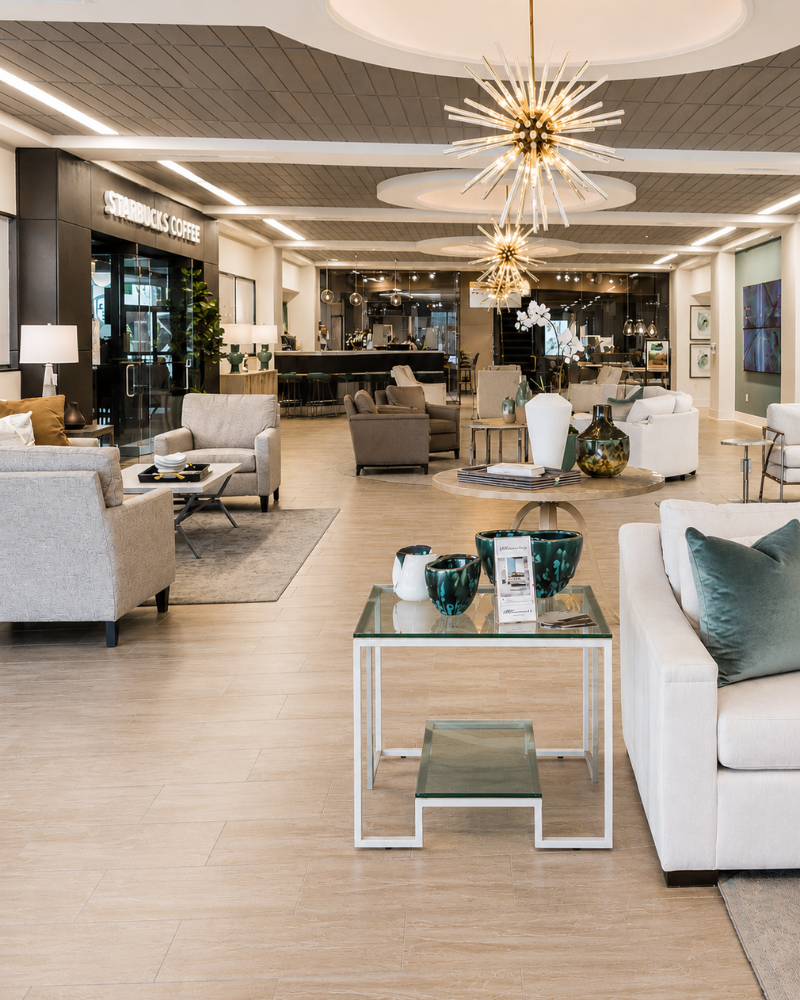
There are aspects of furniture that cannot be fully understood online or in photographs. Texture, scale, depth, and comfort only become clear when you experience them in person.
Visiting Furnitureland South allows you to interact with pieces directly, compare options side by side, and gain confidence in your selections. Whether you are choosing a single accent chair or furnishing an entire home, this hands-on experience is an essential part of the process.
Every well-designed room starts with a conversation. Schedule your complimentary consultation with a Furnitureland South Design Consultant and bring whatever you have, whether it is inspiration, measurements, or simply a sense that something in your home needs to change.
From there, your Interior Design Consultant will help guide the process.


 Your Privacy Choices