A Guide to Area Rugs: How They’re Made & How to Choose
From hand-knotted to machine-made— learn how area rugs are made, how long they last, and how to choose the right one.

A rug defines a room, shaping the layout, softening sound, protecting flooring, and adding warmth and intention to the space.
Not all rugs are created equal, and understanding the differences is key to choosing one you will love for years. Construction, fiber, pile height, and origin all influence how a rug looks, feels, performs, and responds to everyday wear and care. Knowing whether a rug is hand-knotted or machine-made, or made from wool versus synthetic fibers like polypropylene, helps you make a more informed investment for each space.
This guide breaks down the most common types of area rugs, how they are made, and what to expect from each so you can shop with confidence.
Area Rug Types by Construction
How a rug is made determines nearly everything about it, its texture, its durability, its price point, and the care it requires. There are four primary construction methods you’ll encounter when shopping for area rugs.
Hand-Knotted Area Rugs
Hand-knotted rugs are widely considered the finest area rugs made. Each one is constructed on a loom by a skilled weaver who ties individual knots by hand, a painstaking process that can take months or even years for a large, intricate piece. The result is a rug built to last for generations.
Flatweave styles such as dhurries, kilims, and soumaks fall into the hand-knotted category. One of the easiest ways to identify a hand-knotted rug is to flip a corner and look at the underside. You’ll see the individual knots, and the pattern on the face of the rug will be clearly reflected in the backing.
- Reputation: Best quality and value; minimal shedding; made to last a lifetime
- Durability: 20+ years with proper care; 100% wool construction is especially long-lived
- Best for: Living rooms, dining rooms, primary bedrooms — anywhere you’re investing for the long term
Pro tip: Think of a hand-knotted rug the way you’d think about a well-made coat or a quality piece of furniture, it’s an investment that rewards care and rewards patience. With the right attention, it will outlast trends, renovations, and decades of daily life.
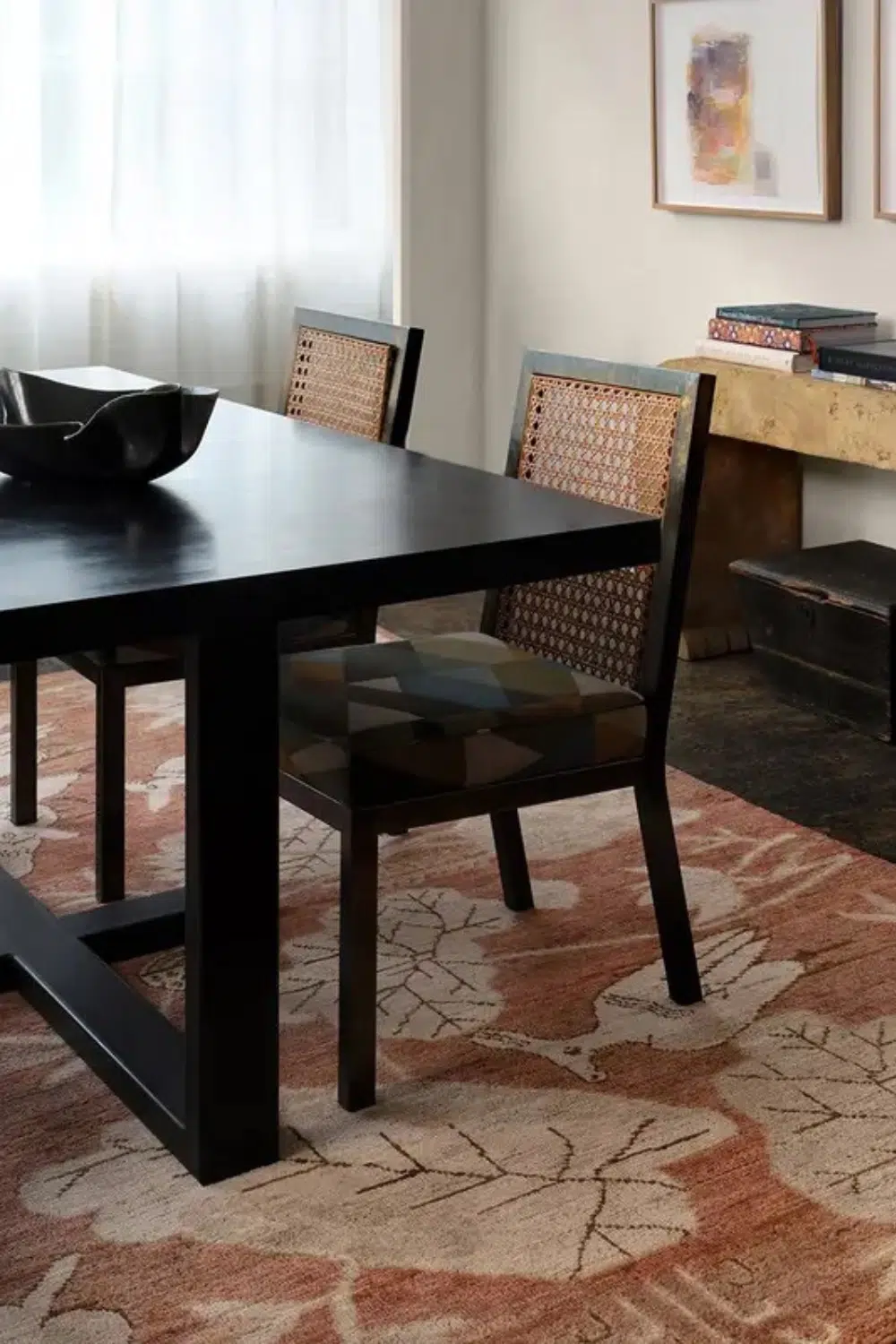
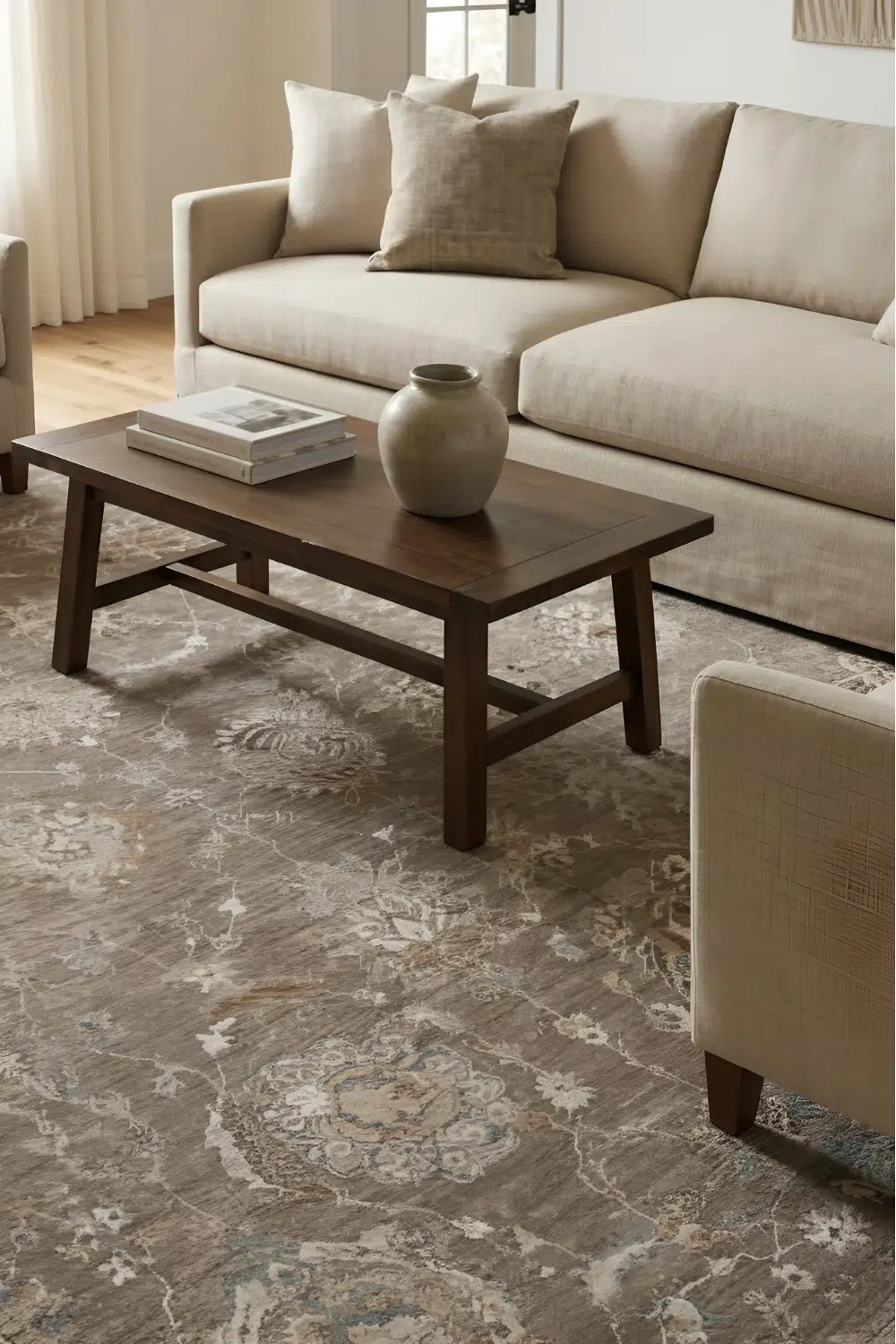
Machine-Made Area Rugs
Machine-made rugs, sometimes called power-loomed rugs, are constructed using computer-driven mechanics that replicate weaving patterns at scale. This category includes broadloom carpet that has been cut and bound into area rug sizes, as well as a wide range of styles made specifically as area rugs.
Because of their efficient production, machine-made rugs offer an accessible price point without sacrificing good design. They’re a practical choice for anyone who loves to redecorate, or for rooms where a rug will see significant wear. To identify a machine-made rug, the underside will show similar colors to the top surface, held in place by a coarse backing material.
- Reputation: Economical; widely available; great design range
- Durability: 1–5 years for synthetic fibers; 8+ years for wool construction
- Best for: Guest rooms, high-traffic areas, spaces where style refreshes are expected
Pro tip: Machine-made rugs made of wool will significantly outlast synthetic versions. If you’re purchasing a machine-made rug with longevity in mind, wool construction is worth the modest upgrade in price.
Hand-Tufted Area Rugs
Hand-tufted rugs are made using a handheld tufting gun that pushes yarn through a canvas foundation. The backing is then sealed with adhesive and covered with a cloth layer to secure the fibers. The result is a rug with a beautifully plush, thick pile, often at a more accessible price than hand-knotted construction.
A few points to know before purchasing. Hand-tufted rugs are prone to shedding, which can continue throughout the rug’s life as the latex backing gradually breaks down. They also require more delicate care than other rug types because the adhesive backing is sensitive to water and should not be steam cleaned or wet extracted. Dry cleaning is the recommended method for anything beyond surface spot treatment.
- Reputation: Plush feel; on-trend designs; accessible price point
- Durability: 1–5 years on average
- Best for: Lower-traffic rooms; bedrooms; spaces where comfort and style take priority over longevity
Pro tip: To identify a hand-tufted rug, flip a corner and look for the canvas backing secured with adhesive. The pattern will not be visible from the underside, that’s your clearest indication of this construction type.
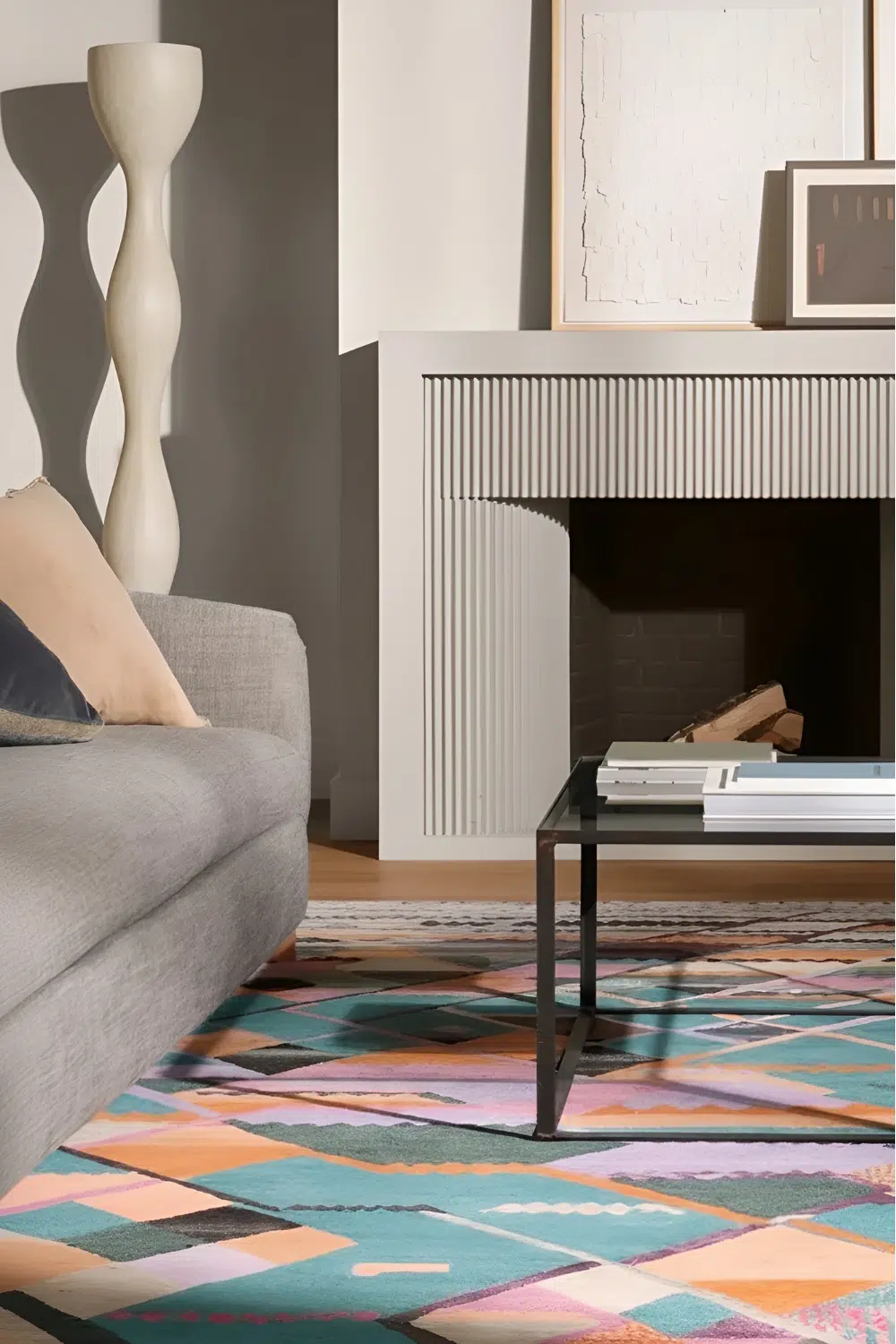
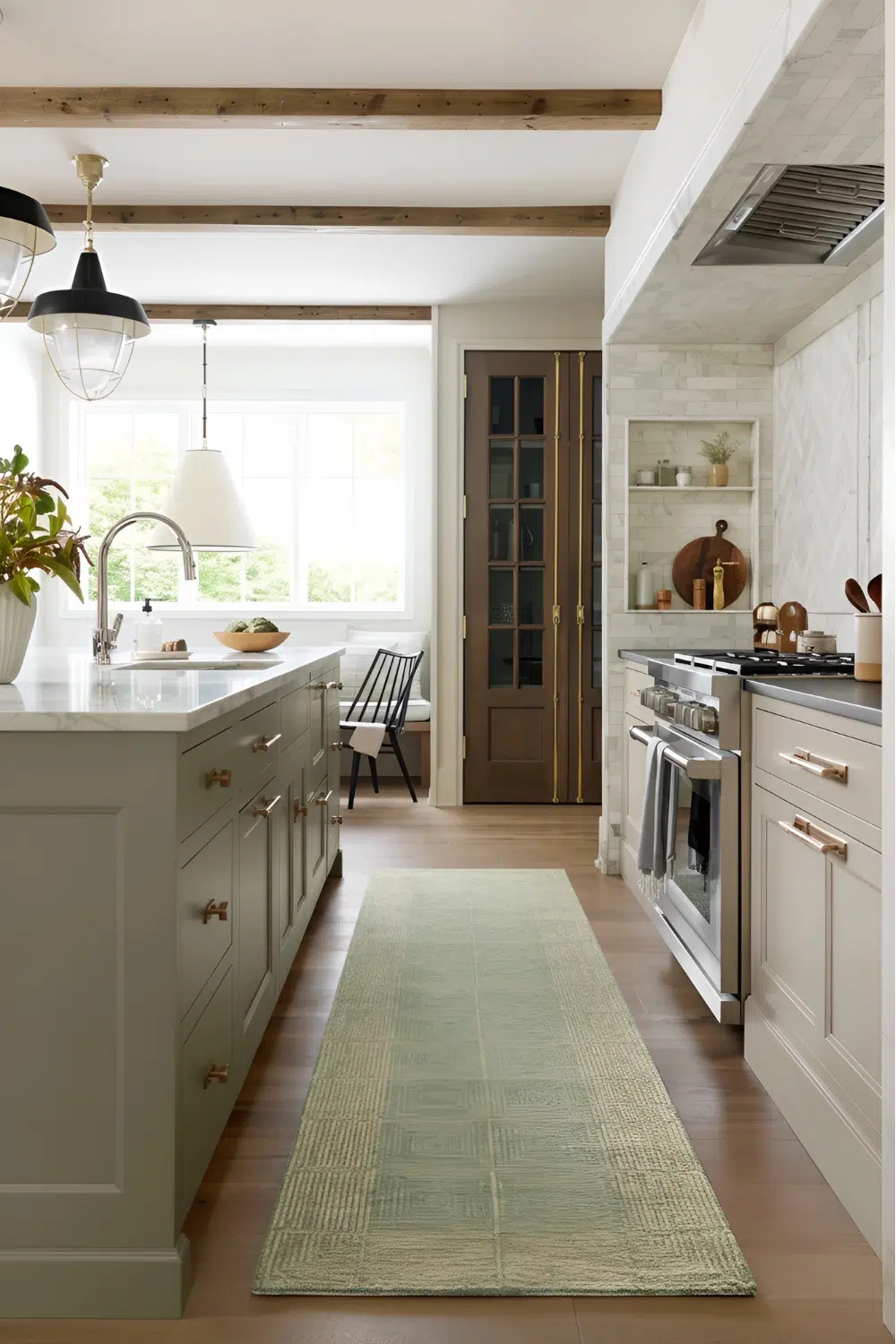
Hooked Area Rugs
Hooked rugs are constructed similarly to hand-tufted rugs, but the process uses smaller, tighter loops rather than cut pile, creating a denser and often more detailed surface. The smaller loops allow for finer imagery and more intricate patterns, and the texture has a satisfying fullness underfoot.
Hooked rugs made of wool will shed somewhat, but generally less than tufted wool rugs. They’re a comfortable, characterful option that works well in a range of rooms.
- Reputation: Affordable; plush; good for detailed designs
- Durability: 1–5 years on average
- Best for: Living rooms, studies, rooms where design detail is a priority
Pro tip: The main distinction between a hand-tufted rug and a hooked rug is the loop structure. Hooked rugs use smaller, uncut loops and pack more fiber into the surface, creating a fuller, slightly firmer texture.
Outdoor Area Rugs
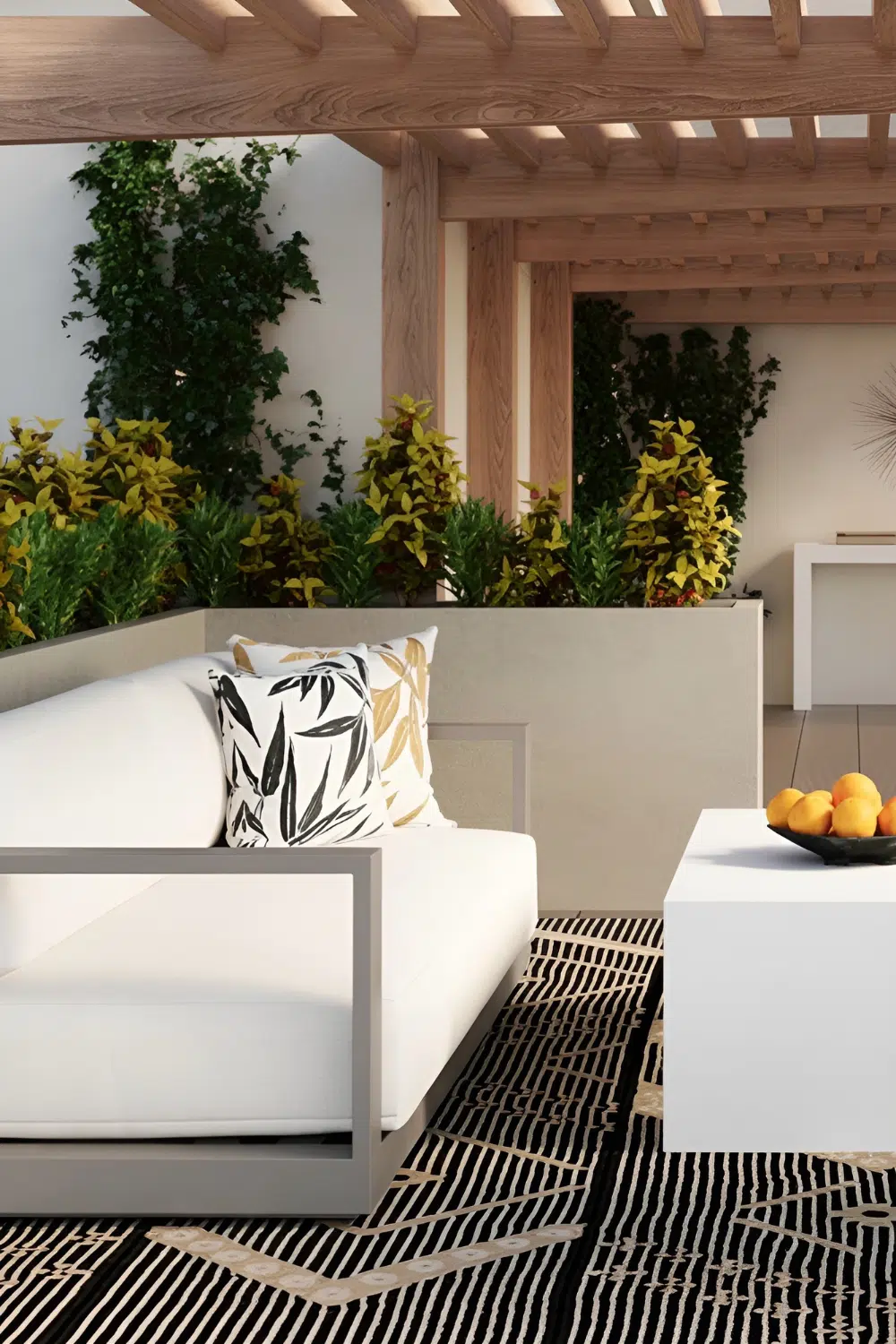
Outdoor rugs are engineered to withstand the elements, and that same durability makes them an excellent choice indoors as well, particularly in high-traffic areas like mudrooms, laundry rooms, and entry halls. Most are made from polypropylene, which resists moisture, staining, and mildew, and cleans easily with a hose or mild soap and water.
If you’re placing a rug in a space that’s fully exposed to weather, look specifically for UV stabilization. A UV-stabilized rug is fade-resistant and will hold its color season after season.
- Reputation: Highly durable; easy to clean; versatile
- Durability: 1–5 years, depending on sun and weather exposure
- Best for: Patios, decks, entryways, mudrooms, laundry rooms, sunrooms
Pro tip: To maximize the life of an outdoor rug, clean it regularly and store it during winter months if it’s not in use. Many of our customers use outdoor rugs indoors in their most-trafficked spaces, they’re one of the most practical options we carry.
Area Rug Types by Fiber
Beyond construction method, the fiber a rug is made from has a significant impact on how it looks, feels, and holds up over time. Rug fibers fall into two broad categories: natural and synthetic.
“There’s a rug for every room and every lifestyle. The key is understanding what you’re working with before you decide what will work best.”
-Mary John Minter, Furnitureland South Rug Expert
Natural Fiber Rugs
Natural fiber rugs encompass wool, jute, sisal, seagrass, cotton, and hide, each with its own character and care requirements. They tend to appeal to customers who appreciate organic texture and material authenticity.
Wool
Wool fiber rugs are durable and long-lasting in character. They naturally resist staining and are used across all construction types, with performance and shedding varying based on how the rug is made.
Natural Grass
Jute, sisal, seagrass, and mountain grass rugs offer a textured, sustainable option with a casual, natural look. They handle heavy foot traffic well and vacuum easily, but they absorb liquid and require dry cleaning methods for spills.
Cotton
Cotton fiber rugs are soft, affordable, and casual in character. They’re most commonly used in flatweave constructions such as dhurries and kilims, and they tend to work well in relaxed, livable spaces.
Natural Hide
Cowhide and natural hide rugs come as single hides or stitched panels for larger areas. They are durable, easy to clean, and add natural warmth to a variety of interior styles. As a byproduct of the food industry, cowhide is also a sustainable choice.
Synthetic Fiber Rugs
Synthetic fibers offer durability, color range, and value. Many of the most practical, performance-oriented rugs on the market today are made from synthetic materials — and they’ve come a long way in terms of design and texture.
Polypropylene
Polypropylene and nylon are durable synthetic fibers commonly used for indoor and outdoor rugs. They resist fading, staining, and moisture, making them ideal for high-traffic areas and performance-driven spaces.
Polyester
Polyester rugs are prized for their softness, vibrant color retention, and resistance to moisture, staining, and abrasion. They’re a popular choice for family rooms and bedrooms where comfort and cleanability both matter.
Acrylic
Viscose
Viscose, also known as rayon, is a plant-based fiber designed to mimic silk. It has a soft feel, luminous sheen, and rich color quality, but is less durable than other rug fibers. It is best suited for low-traffic areas where appearance is the priority.
How to Choose the Right Area Rug for Your Home
Once you have a sense of construction and fiber, the final considerations are the ones that bring it all together: color, design, and texture.
This where the fun begins.
Color
You don’t need to match your rug color precisely to the other elements in the room, but you do want it to coordinate. Think about the tones already present in your furniture, wall color, and any textiles in the space. A rug that picks up one or two of those hues will feel intentional without being rigid.
Pattern
Your personal style is your best guide here. Traditional interiors tend to favor Persian-inspired motifs, florals, and medallion patterns. More modern or transitional spaces often lean toward geometric or abstract designs. The right pattern for your room is simply the one that feels like an extension of how you already live.
Texture
Never underestimate the importance of how a rug feels. A plush hand-tufted rug in a bedroom creates a very different experience than a flat-woven kilim in an entry hall, and both can be exactly right. Textured rugs also add visual dimension to a room, creating depth that flat or low-pile options don’t provide.
“There are beautiful rugs at every price point and for every purpose. The best one for your home is the one that fits how you actually live in it.”
-Mary John Minter, Furnitureland South Rug Expert
We’d love to help you find it. Our team is here to walk you through every option, from construction and fiber to size and placement, so you leave with a rug you’ll love for years to come.
Now that you’ve decided what type of rug best fits your lifestyle, learn how to correctly place them in your home.


 Your Privacy Choices